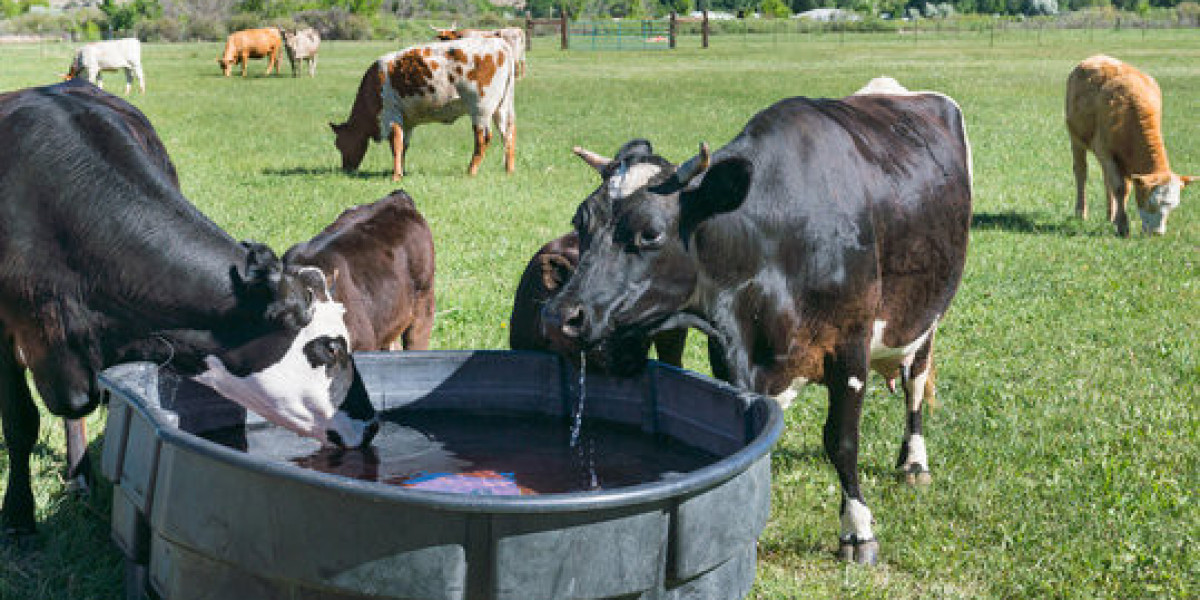

The Importance of Water Hygiene in Modern Livestock Farming
Water quality is one of the most underestimated drivers of livestock health, yet it directly influences disease risk, immunity, and overall farm productivity. In modern animal production systems, water is not just a hydration source it is also a potential carrier of bacteria, viruses, parasites, and organic contaminants that can silently spread disease across herds.
Studies from livestock extension programs indicate that contaminated drinking water can be responsible for a significant portion of enteric disease outbreaks in intensive farming systems, particularly where water hygiene is not routinely monitored. Even when feed programs are well-managed, poor water quality can undermine animal performance and increase veterinary costs.
This is where advanced sanitation approaches such as chlorine dioxide water treatment become essential. By targeting pathogens at the water source, it helps reduce disease transmission risks before animals are even exposed.
Within this framework, Klean Farm Solutions plays a key role in supporting modern water hygiene strategies designed to improve herd health, strengthen biosecurity, and enhance productivity.
Understanding Chlorine Dioxide Water Treatment in Livestock Systems
Chlorine dioxide is a powerful oxidizing agent widely used for water disinfection in agriculture, food processing, and municipal systems. Unlike traditional chlorine, chlorine dioxide works through selective oxidation rather than chlorination, making it highly effective against a broad range of microorganisms without producing excessive harmful byproducts when properly managed.
In livestock water systems, chlorine dioxide targets:
- Bacteria such as E. coli and Salmonella
- Viruses that spread through contaminated water
- Protozoa and cysts in drinking systems
- Organic matter that supports microbial growth
Research in water sanitation literature shows that chlorine dioxide can reduce microbial contamination levels by more than 99% under controlled conditions when properly dosed and applied in distribution systems.
This makes it especially valuable in livestock operations where continuous water flow systems can quickly become contaminated.
How Contaminated Water Increases Disease Risk in Livestock
Water is one of the fastest transmission routes for disease in livestock environments. Unlike feed, which is usually stored and handled in controlled conditions, drinking water is continuously exposed to environmental contaminants, organic waste, and microbial buildup.
Common contamination sources include:
- Manure runoff entering water systems
- Biofilm accumulation inside pipelines and troughs
- Algae growth in open water tanks
- Feed residue contamination
- Poorly maintained storage systems
Once pathogens enter the water supply, they can rapidly spread across an entire herd. According to veterinary public health research, waterborne pathogens can increase the incidence of gastrointestinal disease outbreaks by up to 30–40% in poorly managed livestock systems.
This creates a direct link between water hygiene and herd health outcomes.
Key Disease Risks Associated with Poor Water Quality
Gastrointestinal Disorders
One of the most common consequences of contaminated water is digestive illness. Pathogens such as E. coli, Salmonella, and Clostridium species can disrupt gut flora, leading to diarrhea, dehydration, and reduced nutrient absorption.
Immune System Suppression
Chronic exposure to low-level contamination places constant stress on the immune system. Over time, this reduces disease resistance and increases susceptibility to secondary infections.
Productivity Losses
Even subclinical infections can significantly affect productivity. Research in dairy systems shows that reduced water quality can lower milk yield by 5–15% depending on severity and duration of exposure.
This demonstrates that water hygiene is not just a health issue it is also an economic factor.
How Chlorine Dioxide Water Treatment Reduces Disease Risk
Eliminating Harmful Microorganisms
Chlorine dioxide is highly effective at destroying microbial cell structures through oxidation. Unlike conventional disinfectants, it penetrates biofilms and disrupts pathogens at their source rather than only treating free-floating bacteria.
This helps significantly reduce disease-causing organisms in livestock drinking water systems.
Controlling Biofilm Formation
Biofilm is one of the most persistent problems in water systems. It forms a protective layer that shelters bacteria and allows them to multiply even after cleaning.
Chlorine dioxide helps break down existing biofilm and prevents its reformation by continuously disrupting microbial attachment on surfaces such as pipes, tanks, and troughs.
Improving Water Intake and Animal Health
Water quality directly influences palatability. Animals naturally avoid contaminated or bad-tasting water, which leads to reduced intake.
When water is clean and properly treated:
- Water consumption increases
- Feed digestion improves
- Hydration levels stabilize
- Overall immunity strengthens
Hydration studies show that even a 10% reduction in water intake can negatively impact feed consumption and growth rates in cattle systems.
Strengthening Farm Biosecurity
Biosecurity is no longer limited to vaccination and quarantine it extends to water system management. Chlorine dioxide water treatment adds an additional layer of defense by preventing pathogen circulation through drinking systems.
This makes it a critical component of modern farm hygiene protocols.
Best Practices for Using Chlorine Dioxide in Livestock Water Systems
To maximize effectiveness, chlorine dioxide should be used as part of a structured water management program rather than a standalone solution.
Key practices include:
- Maintaining correct dosing levels based on system size
- Regular flushing of water lines to remove buildup
- Routine inspection of tanks and troughs
- Monitoring microbial levels periodically
- Integrating water treatment with overall farm biosecurity plans
When applied consistently, chlorine dioxide supports long-term water system hygiene and reduces disease risks significantly.
Seasonal Water Management and Disease Prevention
Summer Challenges
During hot weather, livestock increase water intake substantially to regulate body temperature. However, higher temperatures also accelerate microbial growth in water systems.
Studies show bacterial proliferation can double every 20–40 minutes in warm water environments under ideal conditions.
This increases disease risks if water is not properly treated.
Winter Challenges
In colder months, animals tend to drink less water, which can lead to dehydration and digestive issues. Reduced intake also slows metabolic processes and can indirectly increase disease susceptibility.
Role of Chlorine Dioxide
Chlorine dioxide helps maintain consistent microbial control across all seasons, ensuring water safety regardless of temperature fluctuations or environmental conditions.
How Klean Farm Solutions Supports Livestock Water Safety
Modern livestock operations require integrated solutions that combine sanitation, monitoring, and water treatment. Klean Farm Solutions focuses on providing advanced water hygiene systems designed for agricultural environments where disease prevention and productivity are priorities.
By combining innovative water treatment strategies with practical farm applications, Klean Farm Solutions supports improved herd health and biosecurity outcomes.
Featured Product: Klean Water 50 Gallon Mineral Water Treatment Tablets
The Klean Water 50 Gallon Mineral Water Treatment Tablets are designed to support livestock water hygiene systems by improving water quality conditions and reducing contamination risks in drinking systems.
They are formulated to integrate easily into farm water management programs, helping maintain cleaner and more stable water conditions.
Key Benefits
This solution supports livestock water systems by:
- Helping reduce microbial contamination in drinking water
- Supporting cleaner pipelines and storage tanks
- Improving overall water system hygiene
- Enhancing hydration quality for livestock
- Supporting broader biosecurity efforts on farms
When used as part of a chlorine dioxide-based water management strategy, these tablets help maintain consistent water quality across livestock operations.
Why It Matters for Disease Prevention
Cleaner water systems reduce exposure to harmful pathogens, which directly lowers disease risk in herds. By maintaining water hygiene, farms can significantly reduce gastrointestinal infections and improve overall animal resilience.
This makes water treatment a foundational part of modern livestock health management.
Long-Term Benefits of Chlorine Dioxide Water Treatment
Consistent use of chlorine dioxide water treatment offers multiple long-term advantages for livestock farming, especially in improving herd health and overall farm efficiency. By maintaining cleaner water systems over time, farmers can significantly reduce the risk of disease outbreaks and improve animal performance across production cycles.
One of the most important benefits is a noticeable reduction in disease incidence within herds. Cleaner water limits exposure to harmful pathogens, helping animals maintain stronger immune systems and reducing the spread of infections.
Over time, improved water quality also supports better feed conversion efficiency. When livestock stay properly hydrated, they digest feed more effectively and convert nutrients into energy, growth, and production more efficiently.
Healthier water systems contribute directly to improved growth rates and higher milk production. Animals under lower microbial stress tend to perform more consistently and achieve better productivity outcomes.
Ultimately, these improvements lead to greater operational efficiency, making chlorine dioxide water treatment a valuable long-term investment in sustainable livestock management.
Building Healthier Herds Through Clean Water Systems
Water hygiene plays a central role in livestock health, productivity, and disease prevention. Contaminated water systems can quickly become a major source of infection, reduce performance and increase farm costs.
Chlorine dioxide water treatment offers an effective solution by targeting pathogens, reducing biofilm formation, and improving overall water quality. When combined with structured farm hygiene practices, it helps create safer and more productive livestock environments.
With solutions from Klean Farm Solutions, including the Klean Water 50 Gallon Mineral Water Treatment Tablets, farmers can strengthen water system hygiene and reduce disease risks while improving herd performance and long-term profitability.
FAQs Section:
1. What is chlorine dioxide water treatment in livestock farming?
It is a water disinfection method that uses chlorine dioxide to reduce harmful bacteria, viruses, and biofilm in livestock drinking water systems.
2. How does chlorine dioxide reduce disease risk in animals?
It eliminates waterborne pathogens and prevents microbial buildup in tanks and pipelines, lowering the chances of infection spread.
3. Is chlorine dioxide safe for livestock drinking water?
Yes, when used at recommended concentrations, it is widely used in agricultural and water sanitation systems for safe disinfection.
4. What diseases can contaminate water cause in livestock?
Contaminated water can lead to diarrhea, digestive infections, reduced immunity, and overall productivity losses in herds.
5. How often should livestock water systems be treated?
Treatment frequency depends on farm size and water conditions, but regular and consistent application is recommended for best results.