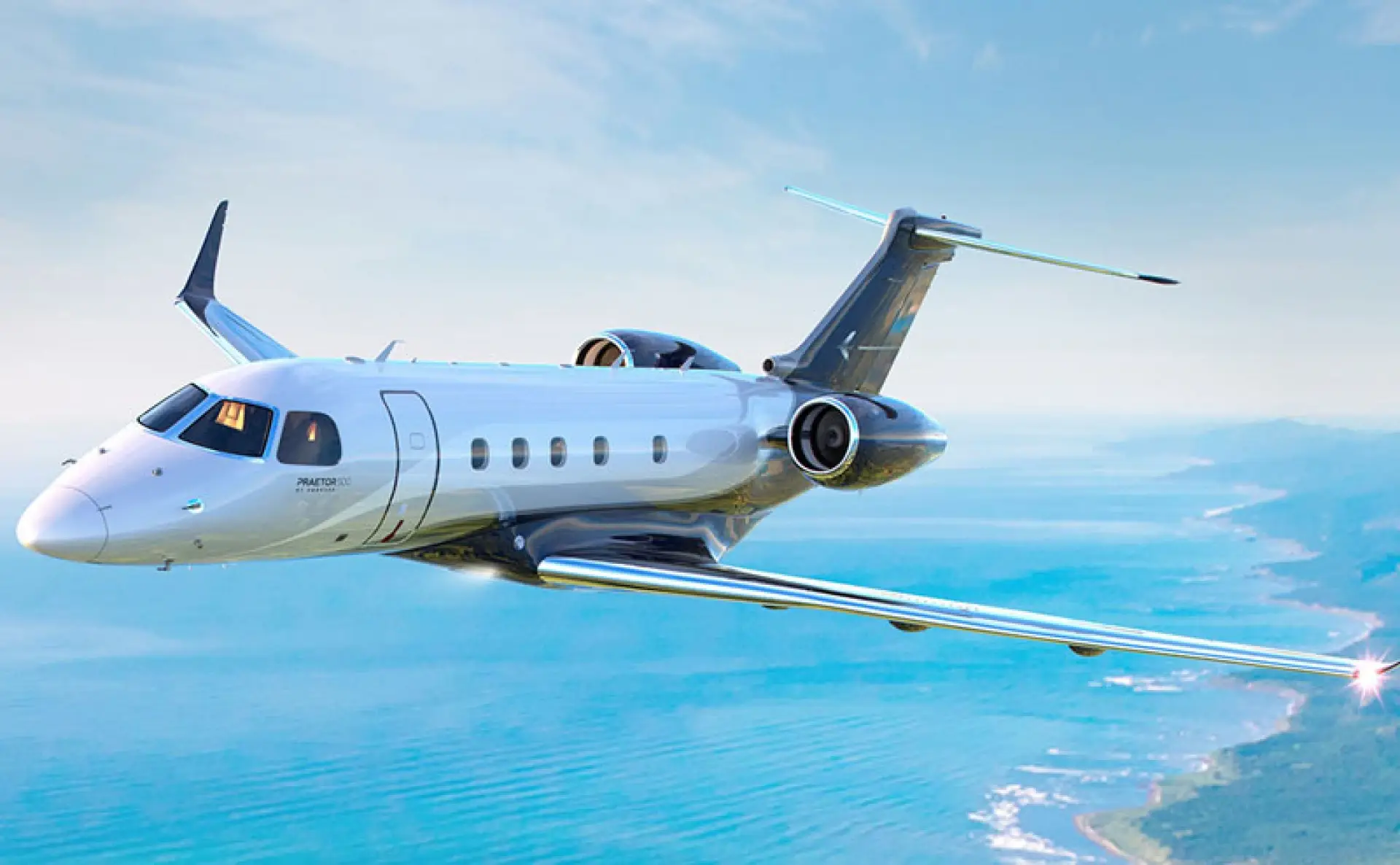
Lately, the panorama of private plane charters has undergone vital changes, pushed by developments in technology, shifting client preferences, and evolving market dynamics. As more individuals and companies seek the comfort and adaptability of private air travel, understanding the prices related to chartering a private plane has become increasingly vital. This article delves into the demonstrable advances in private plane charter prices, exploring components that affect pricing, the emergence of latest pricing fashions, and the affect of technology on value transparency.
The traditional Pricing Mannequin
Traditionally, private plane charters operated on a simple pricing mannequin primarily based on hourly rates. The cost of chartering a plane was determined by several elements, including the type of aircraft, flight distance, and duration. On common, hourly charges for gentle jets ranged from $2,500 to $3,500, whereas mid-size jets may price between $3,500 and $5,500 per hour. Heavy jets and lengthy-range aircraft commanded even increased charges, typically exceeding $10,000 per hour.
Along with hourly charges, shoppers had been sometimes responsible for fuel surcharges, touchdown fees, and other ancillary prices, which may significantly inflate the overall value of a charter. This traditional mannequin, while effective, typically lacked transparency, leaving shoppers unsure about the final prices until after the flight was accomplished.
The Rise of On-Demand Charter Providers
The appearance of on-demand charter services has revolutionized the private aviation industry, introducing a more versatile and accessible method to private plane travel. Firms like JetSuite, Blade, and Wheels Up have emerged, offering app-based platforms that enable customers to e book flights on a pay-per-use basis. This shift has made private air travel more appealing to a broader audience, together with those that may not have previously thought of chartering a plane.
These on-demand services typically characteristic dynamic pricing fashions, which alter based mostly on demand, availability, and other market factors. As a result, clients can generally discover decrease charges throughout off-peak times or for last-minute bookings, making private air travel more inexpensive than ever before. This flexibility has encouraged extra frequent use of private charters, resulting in a more competitive market that advantages consumers.
The Impact of Technology on Value Transparency
One of the most significant advancements within the private aviation sector is the increased transparency in pricing facilitated by expertise. Modern platforms now present users with actual-time pricing data, allowing potential purchasers to match costs across numerous aircraft and operators. This transparency empowers customers to make knowledgeable selections and helps remove hidden fees that were once commonplace in the industry.
Moreover, advancements in data analytics and synthetic intelligence have enabled charter corporations to optimize their pricing strategies. By analyzing market tendencies, customer habits, and operational costs, these companies can supply extra aggressive rates while maintaining profitability. This shift has led to a extra efficient pricing construction that reflects the true price of private air travel.
Membership and Subscription Fashions
One other notable growth in private plane charter prices is the rise of membership and subscription models. Companies like NetJets and Flexjet supply fractional ownership and jet card applications that permit purchasers to buy a set number of flight hours in advance. These packages often include fastened hourly rates and lowered ancillary charges, providing shoppers with predictable prices and better budgeting control.
Membership models have made private aviation extra accessible to those that fly continuously but could not have the means or need to personal a private jet outright. By paying an upfront fee for a membership, clients can get pleasure from the benefits of private air travel with out the lengthy-time period dedication and prices associated with ownership. This shift has broadened the appeal of private aviation, attracting a diverse clientele that features enterprise travelers, families, and leisure travelers.
The Role of Market Dynamics
The private aviation market is also influenced by broader financial components, including gasoline prices, regulatory changes, and world occasions. For instance, fluctuations in gas prices can considerably impression charter costs, as gas surcharges are sometimes handed on to shoppers. Equally, financial downturns or global crises, such because the COVID-19 pandemic, can result in modifications in demand for private air travel, prompting corporations to regulate their pricing methods accordingly.
Lately, the demand for private jet charters surged due to concerns about crowded business flights and well being safety. This elevated demand has led to greater prices for certain routes and aircraft, as operators search to capitalize on the rising interest in private travel. Because the market continues to evolve, charter corporations must stay agile and responsive to those dynamics to remain aggressive.
Environmental Considerations and Prices
Because the world turns into extra environmentally aware, the private aviation industry can be going through pressure to deal with its carbon footprint. Many charter companies are investing in more gasoline-efficient aircraft and exploring sustainable aviation fuels to scale back their environmental impression. Whereas these initiatives could lead to greater upfront prices, they may end in lengthy-term savings by means of reduced gas consumption and regulatory compliance.
Moreover, the growing emphasis on sustainability is prompting some shoppers to prioritize eco-pleasant charter options, even if they come at a premium. In consequence, charter firms are beginning to incorporate environmental concerns into their pricing models, providing purchasers the choice to offset their carbon emissions or choose greener aircraft.
Conclusion
The landscape of private plane charter costs is rapidly evolving, driven by technological developments, changing client preferences, and market dynamics. As on-demand services gain traction and pricing transparency improves, purchasers are finding more affordable and accessible options for private air travel. Membership and subscription fashions are also reshaping the market, permitting a broader viewers to expertise the benefits of private aviation.
Whereas conventional pricing models nonetheless exist, the emergence of latest methods and the affect of exterior elements are creating a extra dynamic and competitive atmosphere. As the trade continues to adapt, it is crucial for purchasers to stay knowledgeable about the various options obtainable and understand the factors that influence private plane charter [https://quickdatescript.com/@adelaidahause] prices. With ongoing developments in know-how and a rising emphasis on sustainability, the way forward for private aviation appears promising, offering purchasers greater flexibility, transparency, and worth in their air travel experiences.