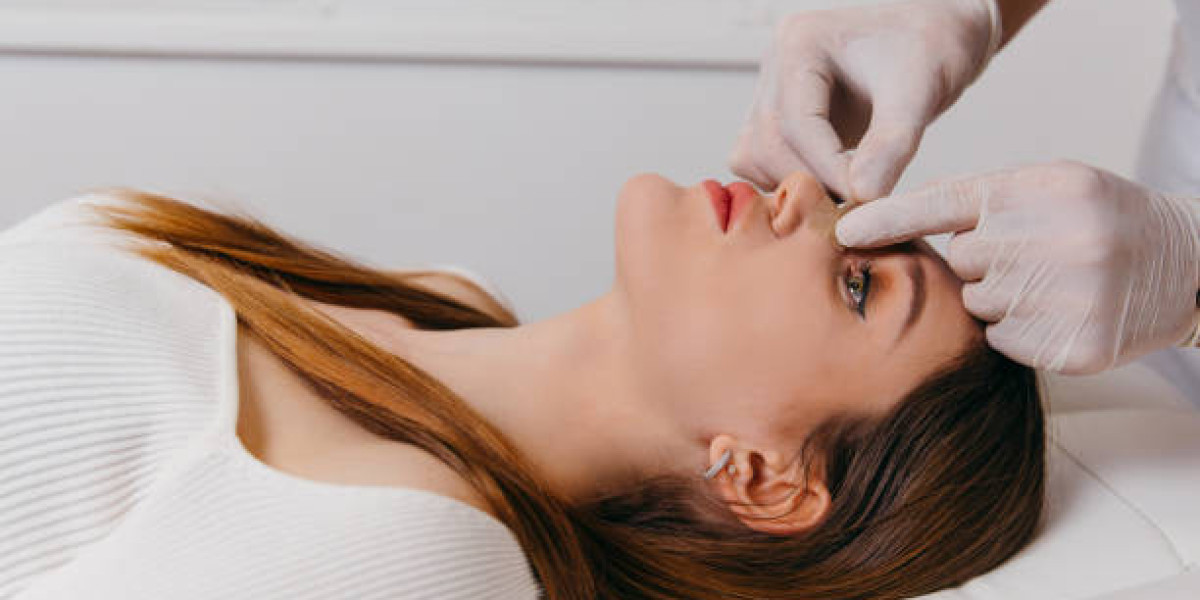

Choosing nose surgery is a personal decision that can involve aesthetic goals, functional concerns, and emotional considerations. Before proceeding, it is important to understand what surgery can realistically achieve and how individual anatomy may influence the outcome. People researching Rhinoplasty in Riyadh (عملية تجميل الانف في الرياض) should learn about the procedure, discuss their concerns openly with a qualified surgeon, and develop realistic expectations before making a decision.
Rhinoplasty can reshape the nose to improve its proportions, refine selected features, or address certain structural problems. However, it cannot guarantee perfect symmetry or make every desired change possible. The nose is part of the overall facial structure, and a successful result generally aims to create a balanced appearance that suits the individual's natural features.
Taking time to understand the process can help patients feel more prepared. Knowing the limitations, recovery timeline, potential risks, and importance of follow-up care makes it easier to approach surgery with informed expectations rather than relying on idealized images or assumptions.
Define Your Reasons for Considering Nose Surgery
Before scheduling surgery, consider what you hope to change and why those changes matter to you. Some people are concerned about a prominent nasal bridge, a wide nose, a drooping tip, or asymmetry. Others may have breathing difficulties following an injury or because of an underlying structural condition.
Clearly identifying your main concerns helps guide the consultation. It can also help distinguish between changes that are important to you and details you may have noticed only after repeatedly comparing your appearance with photographs or social media images.
Your decision should reflect your own preferences rather than pressure from other people. Surgery should not be viewed as a guaranteed way to improve relationships, solve personal difficulties, or achieve a particular lifestyle. A thoughtful decision begins with understanding your motivations and considering whether the potential benefits justify the risks and recovery involved.
Understand What Rhinoplasty Can and Cannot Achieve
Rhinoplasty may change the shape, size, projection, or proportions of the nose. Depending on your anatomy and treatment goals, a surgeon may reshape nasal bones, modify cartilage, refine the tip, or adjust the bridge. Some procedures also address structural concerns that affect breathing.
However, the final result depends on several factors, including skin thickness, cartilage strength, facial proportions, existing asymmetry, and the body's healing response. Thick skin may limit how clearly small changes in the underlying nasal framework become visible. Previous surgery or injury can also make certain corrections more challenging.
It is important to understand that perfect symmetry is rarely realistic because natural faces are not perfectly symmetrical. Computer-generated simulations or reference photographs may help communicate preferences, but they cannot guarantee an identical surgical outcome. Use these tools as discussion aids rather than promises of what your nose will look like after healing.
Communicate Clearly During Your Consultation
An effective consultation gives you the opportunity to explain your concerns and learn about suitable treatment options. Instead of saying only that you want a better-looking nose, describe the features you would like to change. For example, you may wish to reduce the appearance of a bridge hump while preserving the overall character of your nose.
Your surgeon should assess your nasal structure, facial proportions, skin characteristics, medical history, and breathing function. You should also discuss previous nasal injuries, earlier operations, medications, allergies, and any relevant health conditions.
Ask which changes are realistically achievable, what limitations apply to your anatomy, and whether the proposed procedure could affect breathing. Understanding the surgical approach and its alternatives can help you decide whether the expected outcome aligns with your goals.
When considering Rhinoplasty in Riyadh, choose a suitably qualified and licensed surgeon who explains the benefits, risks, and uncertainties clearly. You should feel comfortable asking questions and taking additional time before deciding.
Prepare for the Recovery Process
One common source of disappointment is expecting the nose to look finished shortly after surgery. In reality, swelling, bruising, congestion, and temporary changes in sensation can occur during early recovery. The nose may initially appear wider or less defined than expected, particularly around the tip.
Although much of the visible swelling often improves during the first several weeks, subtle swelling can persist for many months. Final refinement may take a year or longer in some cases, especially after complex surgery or when the nasal tip retains swelling.
Recovery also requires practical preparation. You may need time away from work or school, assistance with certain daily activities, and temporary restrictions on exercise. Following your surgeon's instructions about wound care, sleeping position, protecting the nose, and attending follow-up appointments is important.
Avoid judging the final result too early. If you are worried about changes in appearance during healing, discuss them with your surgeon rather than comparing your progress with other patients, whose recovery timelines may be different.
Consider the Risks and Possible Limitations
Every surgical procedure involves risks, and rhinoplasty is no exception. Potential complications include bleeding, infection, scarring, persistent swelling, changes in sensation, breathing difficulties, dissatisfaction with the appearance, and the possible need for revision surgery.
Although many patients heal without major complications, no surgeon can guarantee a specific result. Revision surgery may sometimes be considered if a structural or aesthetic concern remains, but further surgery has its own risks and may not resolve every issue.
Before making a decision, ask about the risks relevant to your situation, the expected recovery period, and what support is available if concerns arise after surgery. You should understand the recommended aftercare and know which symptoms require prompt medical attention.
A careful decision involves weighing the potential benefits against these uncertainties. Being informed does not mean expecting a poor outcome; it means understanding the procedure realistically.
Set Personal Goals That Support Long-Term Satisfaction
Healthy expectations focus on meaningful improvements rather than perfection. You might hope for a smoother nasal bridge, a more balanced tip, or better breathing. Discussing two or three priorities with your surgeon can help keep the treatment plan focused and realistic.
It is also helpful to consider how you may feel while your appearance changes during recovery. Temporary swelling and uneven contours can be frustrating, even when healing is progressing normally. Allowing time for recovery and seeking appropriate reassurance can help you avoid making premature judgments.
The most appropriate outcome is not necessarily the smallest or most dramatically reshaped nose. It is an outcome that respects your anatomy, addresses your main concerns where possible, and maintains appropriate nasal support and function.
Book a Consultation at Royal Clinic Saudi
Royal Clinic Saudi (عيادات رويال كلينك) can help individuals explore their questions about nose surgery and understand the importance of personalized treatment planning. During a consultation, patients can discuss their goals, learn about surgical limitations, and review recovery expectations and potential risks. Anyone considering Rhinoplasty in Riyadh should seek an assessment from a qualified medical professional before deciding whether surgery is appropriate for their needs.
FAQs:
How do I know if my expectations for rhinoplasty are realistic?
Discuss your goals with a qualified surgeon who can explain what your anatomy allows, what changes are achievable, and what limitations may affect the result.
Can a surgeon make my nose look exactly like a reference photo?
No. Reference photos can help communicate preferences, but individual anatomy, skin characteristics, and healing make an identical result impossible to guarantee.
How long should I wait to judge my rhinoplasty results?
Early changes appear as swelling decreases over several weeks, but subtle swelling can last for months. Final refinement may take a year or longer.
What should I ask before deciding on rhinoplasty?
Ask about the proposed technique, realistic outcomes, risks, breathing function, recovery requirements, alternatives, and the surgeon's qualifications and follow-up arrangements.