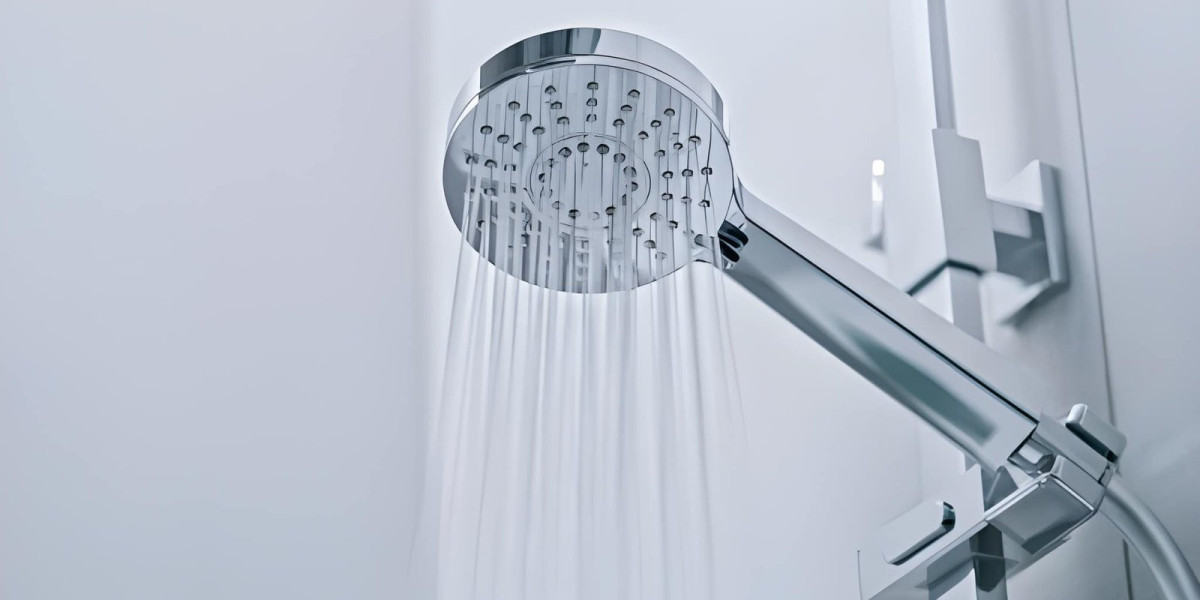

Choosing the right filter for your shower head can help you address specific concerns about your shower water while keeping your bathroom routine simple. A universal shower filter in the UK may be suitable for some shower systems, but compatibility and filtration performance vary between products. Before buying, consider your water quality, the substances you want to reduce, and whether the filter will fit your existing shower fittings.
With different designs and filtration materials available, comparing the right features can help you avoid unnecessary costs and select a product that suits your household.
Understand Your Shower Water
Start by identifying what you want to improve about your shower water. Water characteristics vary across the UK, so a filter that suits one household may not be the best option for another.
Some people are concerned about the smell of chlorine, while others experience hard water and limescale deposits on showerheads and bathroom surfaces.
Your local water supplier may provide information about water hardness in your area. This can help you understand whether your main concern is chlorine odour, dissolved minerals, or another specific issue.
Once you know what you want to address, you can compare filters designed for that purpose.
Check the Type of Filter You Need
Shower filters use different materials and designs. Understanding their purpose will help you choose a suitable option.
Activated Carbon Filters
Activated carbon is commonly used to reduce chlorine and certain other substances under suitable conditions. If you notice a chlorine-like smell while showering, a filter containing suitable activated carbon may be worth considering.
However, performance varies between products. Check the manufacturer's specifications and look for reliable test results confirming the substances the filter can reduce.
Multi-Stage Filters
Some shower filters combine several filtration materials in one device. Depending on the design, these materials may target different substances.
Do not assume that a filter with more stages is automatically more effective. Focus on verified performance and whether the product addresses your specific concern.
Filters Designed for Hard Water
Hard water contains dissolved calcium and magnesium, which can contribute to limescale buildup.
Many standard shower filters reduce chlorine rather than water hardness. If you want to reduce limescale, check whether the product specifically demonstrates hardness reduction. A suitable water-softening system may be more effective when the main issue is hard water throughout your home.
Confirm Compatibility With Your Shower Head
One of the most important steps is checking whether the filter fits your current shower system.
Some filters connect between the shower arm and showerhead, while others are built into a replacement showerhead. The correct option depends on your fittings and installation preferences.
Before purchasing, check:
Connection size and thread type
Compatibility with your showerhead or hose
Available installation space
Whether extra fittings are required
The manufacturer's installation instructions
The word “universal” does not guarantee that a filter will fit every shower system. If your bathroom has a concealed shower or specialised fittings, confirm compatibility with the manufacturer first.
Consider Water Flow and Pressure
Your filter should support a comfortable showering experience. Some products may affect water flow, especially when the cartridge becomes clogged or reaches the end of its useful life.
Review the manufacturer's stated flow rate and operating requirements before buying. If strong water flow is important to you, compare specifications rather than relying only on advertising claims.
Regular cartridge replacement can help maintain the filter's intended performance. If you notice a sudden reduction in flow, check the manufacturer's troubleshooting guidance.
Compare Filter Quality and Performance
Product descriptions may promise to remove numerous substances or improve skin and hair. These claims should be checked carefully.
Look for independent test results or relevant certification where available. Confirm which substances were tested, the reduction achieved, and the conditions under which the results were measured.
A filter designed to reduce chlorine may not remove hardness minerals or other substances. Choosing a product based on its verified capabilities is more reliable than selecting one because it makes the broadest claims.
Check the Total Cost Before Buying
The purchase price is only part of the cost of owning a shower filter. Most models require replacement cartridges, and their lifespan and prices can vary.
Compare the following factors:
Initial filter price
Replacement cartridge cost
Recommended replacement interval
Availability of compatible cartridges in the UK
Cleaning and maintenance requirements
A low-cost filter may become expensive if its cartridges need frequent replacement. A more expensive model is not automatically better, so focus on the value it provides for your needs.
Choose a Filter That Is Easy to Maintain
A practical shower filter should be easy to install, inspect, and maintain. Read the instructions before purchasing to understand how often the cartridge needs replacing and how to clean the unit.
Inspect connections periodically for leaks and use compatible replacement parts. Follow the manufacturer's recommended maintenance schedule rather than waiting until the filter stops working properly.
Checking replacement availability in advance can also help you avoid difficulties later.
Common Mistakes to Avoid
When choosing a shower filter, avoid these common mistakes:
Buying a filter without checking compatibility.
Assuming every filter removes chlorine and hard water minerals.
Trusting guaranteed hair or skin benefits without reliable evidence.
Ignoring replacement cartridge costs.
Choosing a product based only on price or the number of filtration stages.
Overlooking installation and maintenance requirements.
Taking a few minutes to check these details can help you make a more informed purchase.
Conclusion
Finding the right filter for your shower head in the UK starts with understanding your water-quality concerns and checking which products can address them. Compare filtration performance, fitting compatibility, water flow, maintenance, and total cost before making your decision.
A suitable shower filter may help reduce specific substances when it is designed and tested for that purpose. However, if your main concern is hard water, you may need a dedicated water-softening solution rather than a standard shower filter.
By focusing on verified performance and practical requirements, you can choose a filter that suits your shower system and household needs.