

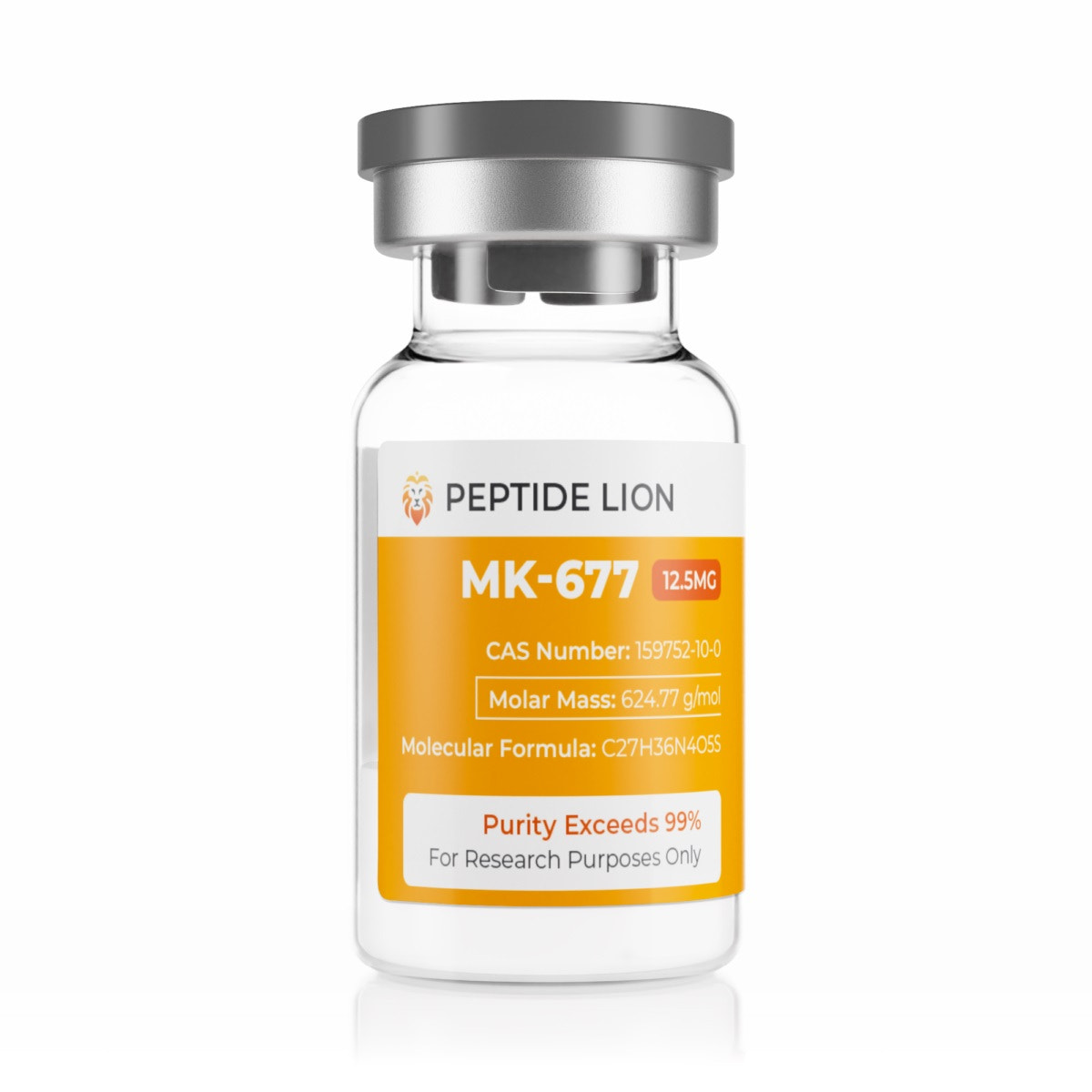
Peptides, that are brief chains of amino acids, have gained important consideration in numerous fields, including pharmaceuticals, biotechnology, and cosmetics. Their unique properties and functionalities make them ideal candidates for a variety of applications. Nonetheless, the rising demand for high-quality peptides has led to the emergence of certified peptides, that are rigorously tested and validated for his or her purity, potency, and security. This case study explores the significance of certified peptides, their purposes in different industries, and the current market tendencies.

Understanding Certified Peptides
Certified peptides seek advice from peptides which have undergone stringent testing and high quality control processes to ensure their id, purity, and focus. These peptides are sometimes accompanied by certificates of analysis (CoA) that present detailed information about their composition and high quality. The certification process sometimes entails a number of steps, together with:
- Synthesis: Peptides are synthesized using stable-phase peptide synthesis (SPPS) or liquid-section synthesis methods. The selection of synthesis methodology can have an effect on the final high quality of the peptide.
- Purification: After synthesis, peptides are purified utilizing techniques equivalent to high-performance liquid chromatography (HPLC) to take away impurities and by-products.
- Characterization: The purified peptides are characterized using methods like mass spectrometry and nuclear magnetic resonance (NMR) spectroscopy to affirm their construction and molecular weight.
- Testing: Certified peptides undergo rigorous testing for purity (usually exceeding 95%), potency, and the absence of contaminants equivalent to heavy metals, solvents, and microbial contaminants.
- Certification: Upon profitable testing and validation, peptides are certified, and a CoA is issued, providing assurance to customers concerning the standard and security of the product.
Applications of Certified Peptides
Certified peptides discover purposes across varied industries on account of their distinctive biological activities and functionalities. A number of the distinguished purposes embrace:
- Pharmaceuticals: Within the pharmaceutical trade, certified peptides are utilized in drug growth and production. They function energetic pharmaceutical substances (APIs) in the formulation of peptide-based therapeutics for conditions such as diabetes, cancer, and cardiovascular diseases. For example, insulin is a widely known peptide hormone used within the administration of diabetes.
- Biotechnology: In biotechnology, certified peptides are utilized in analysis and improvement for numerous purposes, including vaccine growth, diagnostics, and biomarker discovery. Peptides can be utilized as antigens to stimulate immune responses or as tools for finding out protein interactions.
- Cosmetics: The cosmetic business has embraced certified peptides for his or her anti-aging and skin-repairing properties. Peptides resembling palmitoyl pentapeptide-four are commonly included in skincare formulations to promote collagen synthesis and improve skin elasticity. Certified peptides be certain that cosmetic products are safe and effective for shopper use.
- Nutraceuticals: Certified peptides are also gaining traction within the nutraceutical sector, where they're incorporated into dietary supplements for his or her health benefits. Bioactive peptides derived from food sources have been shown to own antioxidant, anti-inflammatory, and immunomodulatory properties.
Market Tendencies and Development
The global marketplace for certified peptides is experiencing vital growth, driven by the increasing demand for prime-quality peptides in varied functions. In response to market analysis, the peptide therapeutics market is predicted to achieve several billion dollars by the tip of the decade, with a compound annual growth rate (CAGR) of over 10%. Several components contribute to this development:
- Rising Investment in Analysis and Development: The pharmaceutical and biotechnology sectors are investing heavily in research and improvement to find new peptide-based mostly therapeutics. This investment is fueled by the increasing prevalence of chronic diseases and the necessity for innovative treatment options.
- Developments in Peptide Synthesis Technologies: Technological advancements in peptide synthesis and purification methods have improved the effectivity and scalability of peptide production. This has led to a better availability of certified peptides out there.
- Growing Awareness of Peptide Benefits: As shoppers turn out to be more conscious of the advantages of peptides in skincare and well being products, the demand for certified peptides in cosmetics and nutraceuticals is on the rise. Manufacturers are increasingly focusing on product high quality and security to fulfill consumer expectations.
- Regulatory Requirements and Compliance: Stringent regulatory standards and tips set by organizations such as the FDA and EMA are driving the demand for certified peptides. For more info on Playtubescript review site look at the web site. Firms are required to adhere to good manufacturing practices (GMP) and guarantee the standard and security of their peptide merchandise.
Challenges within the Certified Peptide Market
Regardless of the optimistic development trends, the certified peptide market faces several challenges:
- High Manufacturing Costs: The synthesis and purification of peptides can be costly, resulting in increased costs for certified peptides in comparison with conventional small-molecule drugs. This will restrict entry to these products, significantly in rising markets.
- Complexity of Peptide Design: Designing peptides with particular functionalities and biological actions can be complicated and time-consuming. The necessity for specialised information and expertise in peptide chemistry can pose challenges for manufacturers.
- Competition and Market Saturation: As the demand for certified peptides grows, extra firms are getting into the market, leading to elevated competition. This saturation could make it challenging for new entrants to determine themselves and differentiate their merchandise.
Conclusion
Certified peptides play an important function in advancing the fields of pharmaceuticals, biotechnology, cosmetics, and nutraceuticals. The rigorous testing and certification course of ensures that these peptides meet the highest standards of high quality and safety, providing assurance to manufacturers and shoppers alike. With the rising demand for top-high quality peptides and the steady advancements in peptide synthesis applied sciences, the marketplace for certified peptides is poised for important progress in the coming years. Nevertheless, addressing the challenges associated with production costs, complexity, and competition will likely be essential for corporations seeking to thrive on this dynamic market.


