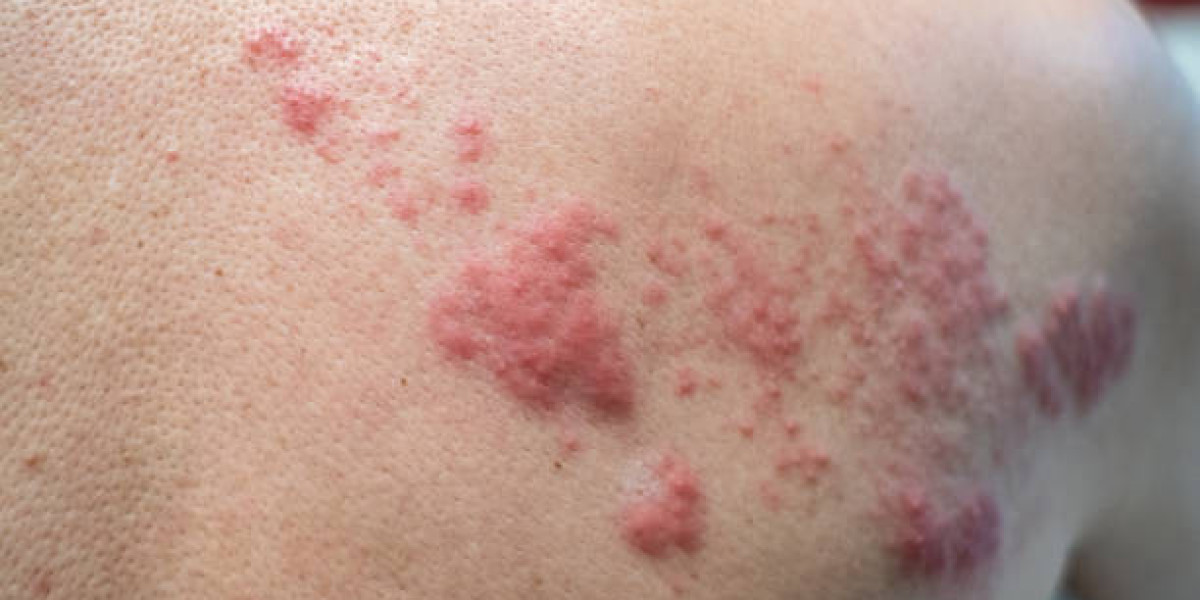

Some skin conditions are temporary and resolve with appropriate care, while others can continue for months or years and require ongoing management. Chronic skin conditions may involve recurring symptoms such as dryness, itching, redness, scaling, inflammation, or changes in pigmentation. Understanding Skin diseases in Riyadh can help individuals recognize long-term concerns and develop healthier skincare habits. Although chronic conditions may not always be completely prevented, consistent care and professional guidance can help support skin comfort and overall wellness.
What Are Chronic Skin Conditions?
Chronic skin conditions are disorders that may persist for a long period or repeatedly return after periods of improvement. Examples include eczema, psoriasis, rosacea, and some forms of acne and dermatitis. Symptoms can vary in severity and may be influenced by environmental exposure, stress, genetics, allergies, or lifestyle habits. Understanding individual triggers is often an important part of long-term skin management.
Eczema and Recurring Irritation
Eczema may cause dryness, itching, redness, and irritated patches that can come and go over time. Triggers vary between individuals and may include certain products, weather changes, stress, or environmental irritants. Gentle skincare, regular moisturization, and avoiding known triggers can help support the skin barrier. Persistent flare-ups should be professionally evaluated.
Psoriasis and Long-Term Management
Psoriasis is a chronic inflammatory condition that can cause thickened, dry, and scaly patches. Symptoms may fluctuate, with periods of improvement and worsening. Because psoriasis can require long-term management, professional guidance can help individuals understand their condition and identify suitable ways to manage recurring symptoms.
Why Long-Term Skin Care Matters
Long-term skincare focuses on maintaining the skin barrier, reducing exposure to triggers, and monitoring changes over time. A consistent routine is generally more useful than frequently switching between products. Skin diseases in Riyadh may also be affected by environmental conditions such as intense sunlight, heat, dust, and dry air. Adapting skincare habits to individual needs and environmental exposure can help support healthier skin.
Moisturizing and Skin Barrier Support
Regular moisturization can help reduce moisture loss and support the skin's protective barrier. People with dry or sensitive skin may benefit from gentle, fragrance-free products that are suitable for their skin type. Applying moisturizer consistently, particularly after cleansing, can help maintain skin comfort.
Gentle Cleansing
Over-cleansing and aggressive scrubbing can irritate the skin and weaken its natural barrier. Using a gentle cleanser and avoiding excessively hot water can help reduce unnecessary dryness. Individuals with chronic skin concerns should choose cleansing products carefully and avoid ingredients that repeatedly cause irritation.
Managing Common Chronic Skin Concerns
Long-term skin care often requires identifying factors that contribute to recurring symptoms. Acne may be influenced by hormones, oil production, genetics, and skincare habits. Rosacea can involve persistent redness and sensitivity, while dermatitis may be associated with irritants or allergies. Keeping track of recurring symptoms can help individuals recognize patterns and discuss potential triggers with a professional.
Acne Over Time
Acne can persist beyond adolescence and may continue into adulthood. Recurring breakouts can be influenced by hormonal changes, genetics, stress, excess oil, and blocked pores. Consistent skincare and professional guidance may help manage persistent acne and reduce the risk of marks or scarring.
Rosacea and Sensitive Skin
Rosacea can cause persistent facial redness, flushing, visible blood vessels, or bumps in some individuals. Triggers can vary and may include sunlight, heat, stress, spicy foods, or certain skincare products. Identifying personal triggers and maintaining gentle skincare may help reduce irritation.
Environmental Factors and Chronic Conditions
Environmental exposure can sometimes aggravate chronic skin conditions. Strong sunlight, heat, dust, pollution, and changes in humidity may contribute to dryness, irritation, or sensitivity. Using suitable sunscreen, maintaining hydration, and protecting the skin from excessive environmental exposure can support long-term skin wellness.
Sun Protection
Daily sun protection is an important part of long-term skin care. Ultraviolet exposure can contribute to pigmentation, premature aging, and irritation and may aggravate certain sensitive skin conditions. Broad-spectrum sunscreen, protective clothing, and shade can help reduce unnecessary exposure.
Hydration and Weather Changes
Changes in temperature and humidity can affect the skin's moisture levels. Dry conditions may increase tightness and flaking, while heat and sweating may aggravate irritation in some individuals. Adjusting moisturization and cleansing habits according to environmental conditions can help maintain comfort.
When Should You Seek Professional Care?
Chronic symptoms should be professionally evaluated when they become more severe, interfere with daily activities, spread, or stop responding to previously helpful care. Persistent itching, painful lesions, recurring infections, significant inflammation, or rapidly changing skin concerns should not be ignored. Professional assessment can help determine the nature of the condition and support an appropriate long-term management plan.
Building a Sustainable Skin Care Routine
Effective long-term skincare should be simple enough to maintain consistently. Gentle cleansing, regular moisturization, daily sun protection, adequate hydration, balanced nutrition, sufficient sleep, and stress management can support overall skin health. Avoiding known irritants and monitoring recurring symptoms can also help identify patterns. Professional recommendations should be incorporated when managing an established chronic condition.
Book an Appointment at Royal Clinic Saudi
If you are dealing with recurring acne, eczema, psoriasis, persistent dryness, redness, itching, or another long-term skin concern, professional assessment can help you understand possible triggers and suitable care options. Royal Clinic Saudi provides an opportunity to discuss your individual skin needs and receive personalized guidance. Understanding Skin diseases in Riyadh and adopting consistent long-term skincare habits can help support healthier and more comfortable skin.
FAQs:
What are chronic skin conditions?
They are skin disorders that persist for a long time or repeatedly return.
Can chronic skin conditions be managed?
Yes. Consistent skincare, trigger management, and professional guidance can help manage many conditions.
Why is moisturizing important for chronic skin concerns?
Moisturizing can support the skin barrier and reduce dryness and discomfort.
When should I seek professional care?
Seek advice when symptoms persist, worsen, interfere with daily life, or repeatedly return.