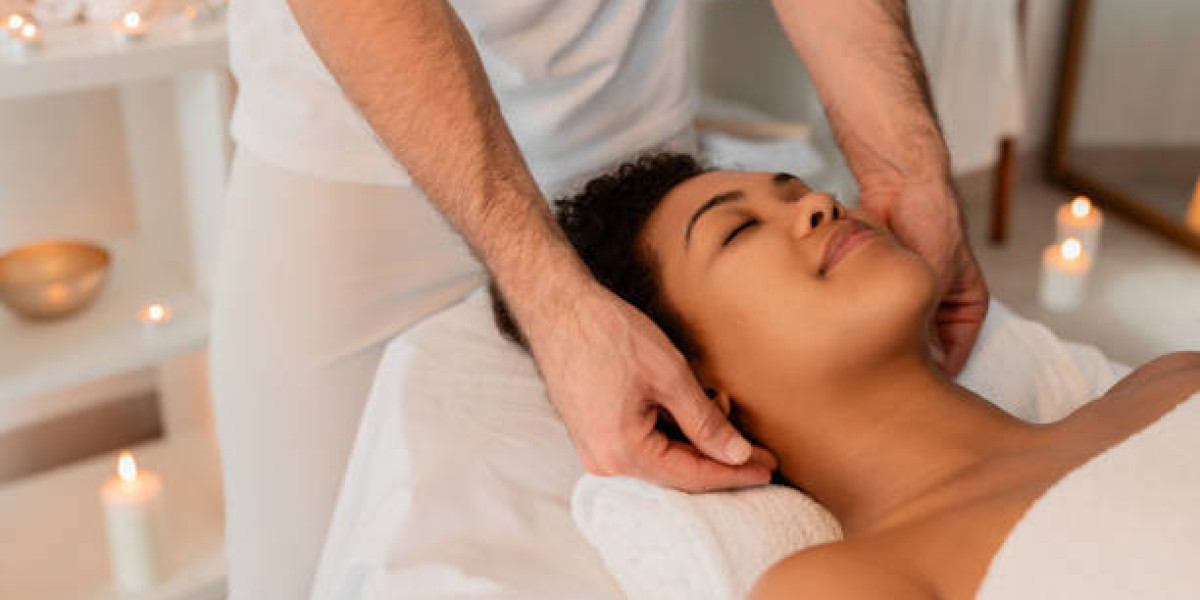

Preparing properly for a lymphatic massage can help you feel comfortable and make it easier for the practitioner to understand your needs. Before your Lymphatic Massage in Riyadh session, it is useful to consider your health history, current symptoms, recent procedures, and treatment goals. Good preparation also helps ensure that the technique can be adapted appropriately to your individual circumstances.
Share Your Health Information
Discuss Your Medical History
Before the session, tell your practitioner about relevant medical conditions, previous surgeries, ongoing treatments, and any concerns that could affect massage. This information can help determine whether lymphatic massage is appropriate for you.
Mention Recent Procedures
If you recently had liposuction, tummy tuck surgery, body contouring, or another cosmetic procedure, provide details about the treatment and your recovery instructions. Healing tissues may require special precautions.
Tell Your Practitioner About Medications
Share information about medications or treatments you are currently receiving when relevant. Certain medical circumstances may require clearance from your healthcare provider before massage.
Follow Medical Clearance Instructions
If you are recovering from surgery or managing a medical condition, follow the recommendations of your surgeon or healthcare professional regarding massage. Do not assume that a general recommendation for lymphatic massage applies to every patient.
Lymphatic Massage in Riyadh should be scheduled according to your individual circumstances, particularly when treatment is being considered as part of postoperative recovery.
Avoid Arriving With Unexplained Symptoms
Check for New Swelling
If you develop sudden or unexplained swelling before your appointment, contact an appropriate healthcare professional rather than automatically proceeding with massage.
Pay Attention to Pain
New, severe, or worsening pain should be assessed before treatment. Massage should not be used to mask symptoms that may require medical attention.
Watch for Signs of Infection
Fever, chills, significant redness, warmth, tenderness, or unusual drainage can indicate a problem that requires medical evaluation. Postpone massage and seek appropriate advice if these symptoms occur.
What Should You Wear?
Choose Comfortable Clothing
Loose, comfortable clothing can make getting ready for your appointment easier. Depending on the treatment area, the practitioner may need access to specific parts of the body.
Follow Clinic Instructions
If the clinic provides specific instructions about clothing or preparation, follow those recommendations. You can also ask what will be most comfortable for the treatment area.
Eat and Drink Normally
There is generally no need to make extreme dietary changes before a lymphatic massage session. A normal, balanced meal can help you feel comfortable, while avoiding a very heavy meal immediately before treatment may be preferable for some people.
Drink fluids according to your normal needs rather than consuming excessive amounts of water in an attempt to “flush out” toxins. Lymphatic massage does not require extreme hydration practices.
Arrive With Enough Time
Arriving a little early can give you time to complete any required forms, discuss your concerns, and communicate important health information. Rushing into a session may make it harder to provide the practitioner with relevant details.
Use this time to explain where you experience swelling, tightness, heaviness, or discomfort and whether these symptoms have changed recently.
Prepare Questions for Your Practitioner
Ask About the Technique
If this is your first session, ask what type of lymphatic technique will be used and which areas will be treated. Understanding the process can make the experience more comfortable.
Discuss Your Goals
Tell your practitioner why you are seeking treatment. Your goal may be to support recovery after a procedure, address temporary swelling, or receive gentle lymphatic care.
Ask About Aftercare
You can also ask what you should expect after the session and whether there are any activity or self-care recommendations specific to your circumstances.
What Happens During the Session?
A lymphatic massage session generally involves slow, gentle movements rather than deep pressure. The practitioner may work along appropriate lymphatic pathways and adapt the technique according to your needs.
If you experience pain, dizziness, or unusual discomfort, communicate this immediately. The treatment should be gentle and should not require you to tolerate significant pain.
What Should You Do After the Session?
After treatment, follow any personalized instructions provided by your practitioner or healthcare team. If lymphatic massage is part of postoperative care, continue following your surgeon's recovery instructions.
Some people may feel relaxed after a session, while individual responses can vary. Lymphatic massage should be considered supportive care rather than a guaranteed method for eliminating swelling or changing body shape.
When Should You Reschedule?
If you become acutely unwell, develop unexplained swelling, experience significant pain, or notice concerning changes after surgery, contact a healthcare professional before attending your appointment.
Chest pain, difficulty breathing, sudden severe swelling, or other serious symptoms require urgent medical attention rather than massage.
Book an Appointment at Royal Clinic Saudia
If you are preparing for your first lymphatic massage or want personalized guidance before treatment, Royal Clinic Saudia can help you understand the preparation process and suitable care options. Book an appointment to discuss your goals and individual needs before beginning your session.


