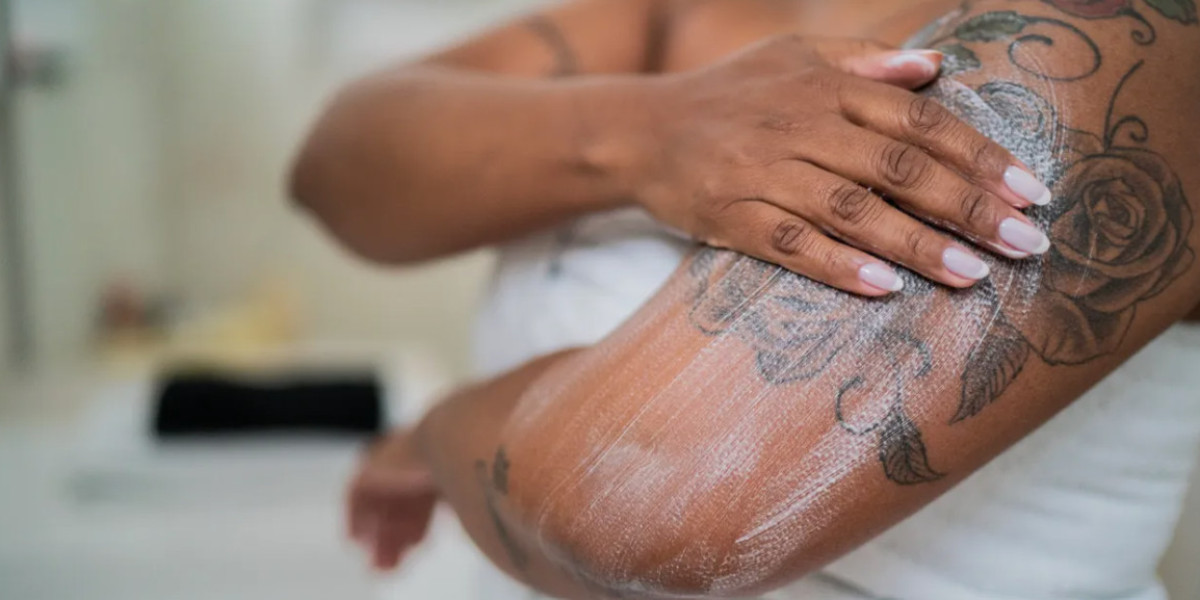

Getting a new tattoo is exciting, but the work does not end when you leave the tattoo studio. Proper tattoo aftercare plays a major role in helping the skin heal properly and keeping the tattoo looking sharp. Many people also consider using tattoo numbing cream before or during a tattoo session to make the experience more comfortable.
Understanding how tattoo numbing cream works and how to care for freshly tattooed skin can help you prepare for the process and avoid common mistakes.
What Is Tattoo Aftercare?
Tattoo aftercare is the process of protecting and caring for your skin after getting a tattoo. A fresh tattoo is essentially an area of damaged skin, so it needs time and proper care to heal.
Your tattoo artist may provide specific aftercare instructions based on the tattoo's size, location, and technique. Following those instructions should be your first priority.
Good tattoo aftercare usually includes keeping the area clean, avoiding unnecessary irritation, using suitable moisturizing products, and protecting the tattoo while it heals.
Why Proper Tattoo Aftercare Matters
A new tattoo needs protection while the outer layer of skin repairs itself. Poor aftercare can lead to excessive dryness, irritation, scabbing, or other skin problems. It may also affect the final appearance of the tattoo.
Keeping the area clean can help reduce exposure to dirt and bacteria. At the same time, over-cleaning or aggressively rubbing the tattoo can irritate the skin.
The goal is simple: treat your new tattoo gently while giving your skin enough time to recover.
Basic Steps for Tattoo Aftercare
Once your tattoo is finished, listen carefully to your tattoo artist's instructions. If the artist applies a protective covering, follow their guidance about when and how to remove it.
When cleaning the tattoo, wash your hands first. Gently clean the tattoo with lukewarm water and a mild, fragrance-free cleanser if recommended. Avoid scrubbing the area.
After washing, gently pat the skin dry with a clean towel or allow it to air dry. Do not rub the tattoo because friction can make irritated skin feel worse.
Once the tattoo is clean and dry, use the aftercare product recommended by your tattoo artist. A thin layer is generally preferable to covering the skin with a heavy amount of product.
Keep Your Tattoo Moisturized
Freshly tattooed skin can become dry and uncomfortable during the healing process. Appropriate moisturizing can help reduce excessive dryness and make the skin feel more comfortable.
However, using too much moisturizer can leave the tattoo overly wet and may contribute to irritation. Apply only the amount recommended by your tattoo professional or the product instructions.
Choose products that are gentle and suitable for healing skin. If a product causes burning, significant redness, swelling, or another unusual reaction, stop using it and seek professional medical advice.
Avoid Picking or Scratching
One of the hardest parts of tattoo aftercare can be dealing with itching and peeling. As the tattoo heals, the skin may become flaky or itchy.
It can be tempting to scratch, peel, or pick at the skin, but doing so can irritate the area and interfere with healing. Allow the skin to naturally shed instead.
Keeping your hands away from the tattoo as much as possible is one of the simplest ways to support the healing process.
Protect Your Tattoo From the Sun
Sun exposure can affect tattooed skin and may contribute to fading over time. During the initial healing period, protect the tattoo by following your artist's advice and avoiding unnecessary direct sun exposure.
After the tattoo has fully healed, using a broad-spectrum sunscreen on exposed tattooed skin can help protect both your skin and the appearance of the tattoo.
Remember that sunscreen should generally not be applied to an open or freshly healing wound unless a healthcare professional advises you otherwise.
What Is Tattoo Numbing Cream?
Tattoo numbing cream is a topical product designed to temporarily reduce sensation in an area of skin. Some people use it before a tattoo session because they are concerned about discomfort.
Many numbing products contain local anesthetic ingredients. Depending on the formulation, these ingredients can temporarily reduce the ability to feel pain or other sensations.
Not every tattoo artist recommends numbing cream. Some artists prefer working on skin without it because certain products may affect the skin's condition or the tattooing process.
For this reason, talk with your tattoo artist before using any numbing product.
How Tattoo Numbing Cream Is Used
If you are considering tattoo numbing cream, carefully read the product's label and follow its instructions. Do not assume that using a larger amount will provide better results.
Different products can have different active ingredients, concentrations, application instructions, and safety warnings. Some products may also have restrictions concerning broken or damaged skin.
Never apply a product to freshly tattooed skin unless its label specifically allows it and a healthcare professional has advised that it is appropriate.
It is also important to tell your tattoo artist if you have applied a numbing product before your appointment.
Choosing Tattoo Numbing Cream Carefully
When looking at tattoo numbing cream, pay attention to the active ingredients and directions rather than relying only on marketing claims.
Avoid products that do not clearly identify their ingredients or provide understandable usage instructions. If you have allergies, sensitive skin, or concerns about interactions with medications or other health conditions, ask a healthcare professional before using a topical anesthetic.
Do not use more than the recommended amount or leave a product on longer than directed.
If you experience severe burning, swelling, difficulty breathing, dizziness, or another serious reaction, seek immediate medical attention.
Tattoo Numbing Cream and Aftercare Are Different
It is useful to understand that tattoo numbing cream and tattoo aftercare serve two different purposes.
Numbing cream is generally used to help manage discomfort during a tattoo session. Tattoo aftercare begins after the tattooing process and focuses on helping the skin recover.
Using numbing cream does not replace proper aftercare. Even if your tattoo session feels more comfortable because of a topical anesthetic, you still need to follow appropriate aftercare instructions afterward.
Common Tattoo Aftercare Mistakes
Several simple mistakes can make tattoo aftercare more difficult.
One common mistake is washing the tattoo too aggressively. Another is applying too much moisturizer or repeatedly touching the area with unwashed hands.
Swimming, soaking the tattoo, or exposing it to unnecessary irritation during the healing period may also be discouraged by your tattoo professional.
Wearing clothing that constantly rubs against the tattoo can cause discomfort as well. When possible, choose clean, comfortable clothing that does not place unnecessary pressure on the area.
When to Contact a Healthcare Professional
Some redness, tenderness, warmth, peeling, and mild swelling can occur after getting a tattoo. However, symptoms that become severe or continue to worsen should not be ignored.
Seek medical advice if you notice signs that concern you, such as increasing pain, significant swelling, spreading redness, pus, fever, or other symptoms of possible infection.
A tattoo artist can provide aftercare guidance, but they are not a substitute for a healthcare professional when you are experiencing a medical problem.
Final Thoughts
Tattoo aftercare is an important part of the tattoo experience. Cleaning the area gently, following your artist's instructions, avoiding scratching, and protecting healing skin can help support a healthy recovery.
Tattoo numbing cream may also be useful for some people who want to reduce discomfort, but it should be selected and used carefully. Always follow the product's directions and discuss its use with your tattoo artist beforehand.
A beautiful tattoo deserves thoughtful care. By preparing before your appointment and treating your skin gently afterward, you can make the healing process more comfortable while giving your new artwork the best opportunity to look its best once healed.