
Creating a comfortable and accessible home can make everyday life easier for people of all ages. As mobility needs change, navigating stairs and moving between multiple floors can become challenging. Fortunately, modern accessibility solutions can help homeowners maintain independence without giving up the benefits of living in a multi-level property. Two popular options are stair lifts and residential elevators, each offering practical ways to improve movement throughout the home.
Understanding Stair Lift Installation
Stair lifts are designed to help people travel safely between floors without having to climb stairs. A motorized chair moves along a rail that follows the staircase, allowing the user to sit comfortably while being transported from one level to another. Stair lifts can be installed on many types of staircases, including straight, curved, and some more complex configurations.
Professional stair lift installation is important because the equipment must be properly fitted, secured, and tested. An experienced installer can evaluate the staircase, determine the most suitable equipment, and ensure that the lift operates smoothly. Proper installation can also help reduce unnecessary movement, noise, and operational problems.
For homeowners considering a stair lift, several factors should be evaluated. These may include the width and shape of the staircase, available landing space, weight capacity, seat design, controls, and safety features. Choosing equipment that matches the home's layout and the user's needs can make the system more convenient and comfortable.
Benefits of a Stair Lift
One of the biggest advantages of a stair lift is that it can improve accessibility without requiring major structural changes to the home. Instead of remodeling an entire staircase or relocating to a single-story property, homeowners may be able to use an existing staircase with a properly installed lift.
Stair lifts can also provide greater confidence when moving around the home. Stairs may present difficulties for individuals with limited mobility, balance concerns, or reduced strength. A lift provides an alternative to repeatedly walking up and down the stairs, helping users access bedrooms, bathrooms, living areas, and other important spaces.
Another advantage is convenience. A stair lift can be operated with simple controls, and many models include features such as swivel seats, armrests, footrests, safety belts, and obstruction sensors. These features are designed to make daily use easier while supporting a safer experience.
Exploring Residential Elevators
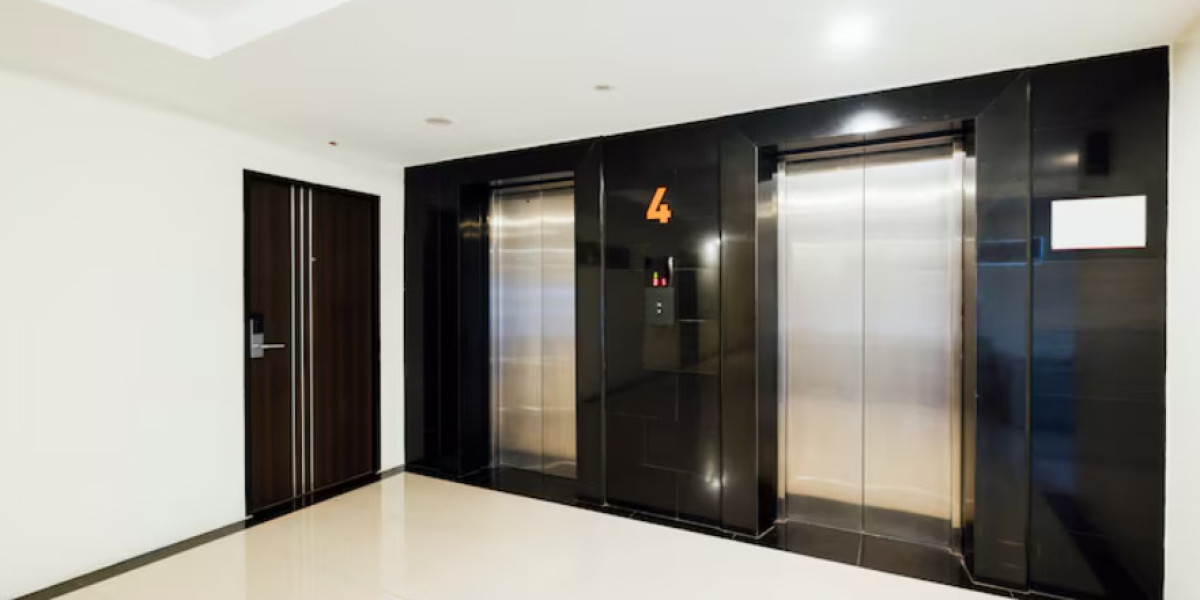
For homeowners who want a more comprehensive accessibility solution, residential elevators can provide convenient vertical transportation between multiple levels. Unlike a stair lift, an elevator can accommodate a person standing or sitting and may also provide additional space for carrying household items.
Residential elevators are available in various designs, sizes, and configurations. Depending on the property, homeowners may consider compact elevators, shaftless systems, or other solutions designed specifically for residential environments. The right option depends on the available space, number of floors, architectural layout, and accessibility requirements.
A residential elevator can be especially useful in homes with several levels. It may allow residents to move between floors without relying on stairs, making the property more adaptable as household needs change over time.
Comparing Stair Lifts and Residential Elevators
Both solutions can improve accessibility, but they serve different purposes. Stair lifts are generally focused on helping one person travel along an existing staircase. They can be a practical choice when the primary concern is safe movement between two floors.
Residential elevators, on the other hand, provide broader vertical access and can be useful when homeowners want a long-term accessibility feature integrated into the property. An elevator can also make it easier to transport groceries, luggage, laundry, mobility equipment, and other items between floors.
The best choice depends on the home's design, the user's mobility needs, available space, and project goals. In some homes, stair lifts may provide the simplest solution. In others, an elevator may offer greater flexibility and long-term value.
Planning for Home Accessibility
Accessibility planning should consider both current and future needs. Even if a homeowner has no immediate mobility limitations, installing accessibility features can make a property more comfortable for aging residents, visiting family members, or anyone who may experience temporary mobility challenges.
When planning stair lift installation, homeowners should consider how frequently the staircase is used and whether the lift needs to serve one particular floor or multiple levels. The location of the controls and the ease of entering and exiting the seat should also be considered.
For residential elevators, planning may involve identifying the most practical locations for the elevator doors, determining how the system will connect different floors, and evaluating how the equipment will fit with the home's existing design. Early planning can help avoid unnecessary modifications later.
Safety and Professional Installation
Safety should always be a priority when adding accessibility equipment. Professional installation helps ensure that the system is appropriately fitted and that important components are correctly secured. Installers can also explain how to operate the equipment and what routine maintenance may be required.
Homeowners should avoid selecting equipment based solely on appearance or price. Quality, reliability, capacity, safety features, warranty coverage, and professional support are all important considerations. A properly selected and installed system can provide dependable assistance for everyday mobility.
Regular maintenance is also valuable. Components such as rails, motors, controls, doors, and safety mechanisms should be checked according to the manufacturer's recommendations. Addressing small issues early can help maintain smooth and reliable operation.
Making a Home More Comfortable
Accessibility improvements can benefit more than just mobility. They can help homeowners feel more comfortable using every part of their property. A bedroom on an upper floor does not have to become inaccessible simply because climbing stairs becomes difficult. With the right solution, residents can continue enjoying their preferred living spaces.
Stair lifts and residential elevators can also support aging in place. Rather than immediately considering a move when mobility changes, homeowners may be able to adapt their existing property to better suit their needs. This can provide greater flexibility and allow families to plan for the future.
Choosing the Right Solution
Selecting between a stair lift and an elevator starts with understanding the specific requirements of the home. A professional assessment can help determine which option fits the staircase, floor plan, budget, and intended use.
For a straightforward staircase and individual mobility assistance, stair lift installation may be an effective choice. For larger accessibility goals, multiple floors, or the need to transport people and belongings, residential elevators may provide a more versatile solution.
The goal is not simply to add equipment to a home. It is to create an environment where residents can move around confidently and conveniently. With thoughtful planning and professional installation, accessibility upgrades can become a natural part of the home's design.
Conclusion
Home accessibility is an important consideration for homeowners who want their properties to remain comfortable, functional, and adaptable. Stair lifts can provide a practical way to navigate existing staircases, while residential elevators can offer convenient access between multiple floors.
Whether the goal is improving everyday mobility, supporting aging in place, or preparing a home for future needs, choosing the right accessibility solution can make a meaningful difference. Professional stair lift installation, careful equipment selection, and proper planning can help homeowners create safer and more convenient living spaces. For properties where greater vertical accessibility is needed, residential elevators can provide an additional level of comfort and flexibility for years to come.