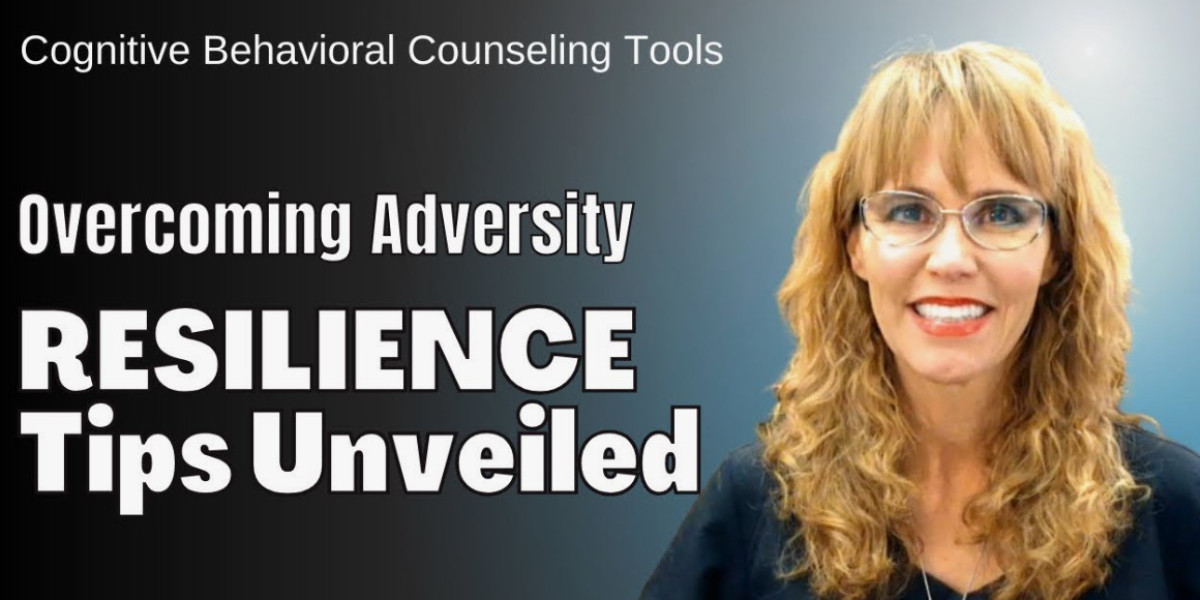

Life can bring difficult experiences that leave people feeling overwhelmed, uncertain, or emotionally tired. Stress, loss, relationship changes, work pressure, and major life transitions can affect the way we think and feel. While these experiences can be challenging, people also have strengths and abilities that can help them move forward. This is where Resilience Counseling and Strength-Based Therapy can offer meaningful support.
Both approaches focus on helping people recognize their abilities, develop healthier coping skills, and build confidence while working through difficult situations. Instead of focusing only on problems, they also look at what is already working in a person's life.
What Is Resilience Counseling?
Resilience Counseling helps individuals develop the skills they need to handle challenges and recover from difficult experiences. Resilience does not mean avoiding stress or pretending that everything is fine. It means learning how to respond to problems in healthier and more balanced ways.
A person may experience sadness, frustration, fear, or uncertainty during a difficult period. Counseling can provide a safe space to understand these feelings without judgment. Over time, clients can learn practical ways to manage stress, improve emotional awareness, and respond to challenges with greater confidence.
Resilience can look different for everyone. For one person, it may mean rebuilding confidence after a major life change. For another, it may mean learning how to set boundaries, manage stressful thoughts, or create healthier daily routines.
Understanding Strength-Based Therapy
Strength-Based Therapy focuses on a person's abilities, positive qualities, resources, and past successes. Rather than defining someone by their struggles, this approach encourages them to recognize the strengths they already possess.
Everyone has strengths, even when those strengths are difficult to see during stressful periods. Someone may be patient, creative, caring, determined, adaptable, or good at solving problems. These qualities can become valuable tools during challenging times.
A strength-based therapist helps clients identify these qualities and understand how they can be used in everyday life. The goal is not to ignore difficulties. Instead, challenges are explored while also recognizing the person's ability to cope, learn, and grow.
How Resilience and Strengths Work Together
Resilience Counseling and Strength-Based Therapy can complement each other naturally. Resilience focuses on developing the ability to handle adversity, while a strength-based approach helps people identify the personal resources they can use along the way.
For example, imagine someone going through a difficult career transition. They may feel worried about the future and question their abilities. Counseling can help them manage the anxiety surrounding the change. At the same time, Strength-Based Therapy can help them recognize skills they have developed throughout their career, such as communication, organization, creativity, or leadership.
Seeing these strengths can change the way a person views the situation. Instead of thinking, "I cannot handle this," they may begin to think, "This is difficult, but I have handled difficult situations before."
That shift can be powerful.
Building Better Coping Skills
One benefit of resilience-focused counseling is learning healthier ways to cope with stress. People often develop coping habits naturally, but not every habit is helpful in the long term.
Counseling may encourage individuals to explore strategies such as:
- Recognizing emotional triggers
- Practicing healthier self-talk
- Setting realistic goals
- Developing supportive routines
- Learning relaxation techniques
- Communicating needs clearly
- Creating healthy boundaries
- Asking for support when needed
- Breaking large problems into smaller steps
The right strategies depend on the person's circumstances and goals. Counseling provides an opportunity to explore what works best for them.
Developing Self-Confidence
Difficult experiences can sometimes change the way people see themselves. A setback may lead someone to believe that they are not capable, strong, or worthy of positive experiences.
Strength-Based Therapy can help challenge these negative beliefs by bringing attention to evidence of personal ability. A therapist may encourage a client to reflect on previous situations they successfully handled.
Perhaps they supported a loved one during a difficult time. Maybe they completed an important goal despite obstacles. They may have adapted to a major change that once seemed impossible.
Remembering these experiences can help rebuild confidence.
Self-confidence does not usually appear overnight. It often develops through small steps, reflection, and repeated experiences of taking action.
Resilience During Major Life Changes
Life transitions can be especially challenging because they often involve uncertainty. Changes in relationships, careers, family life, living situations, or personal goals can create emotional pressure.
During these periods, people may feel that they have lost their sense of direction. Resilience Counseling can help them slow down, understand what they are experiencing, and identify practical next steps.
Strength-Based Therapy can also help clients recognize that a transition does not erase everything they have learned. Their experiences, skills, values, relationships, and personal qualities can continue to guide them.
The goal is not necessarily to return to exactly how life was before. Sometimes resilience means creating a new path that feels healthier and more meaningful.
Creating a More Positive Perspective
A positive perspective does not mean ignoring real problems. Instead, it means learning to look at challenges from more than one angle.
When people are under stress, it can be easy to focus only on what is going wrong. A strength-based approach encourages them to also consider questions such as:
What have I learned from this experience?
What personal qualities have helped me before?
Who can support me?
What small step can I take today?
What is within my control?
These questions can encourage a more balanced view of difficult circumstances.
When Counseling May Be Helpful
People seek counseling for many different reasons. Resilience-focused and strength-based approaches may be useful for individuals dealing with stress, life transitions, relationship challenges, low confidence, grief, personal setbacks, or feelings of being stuck.
You do not have to wait until life becomes completely overwhelming before seeking support. Counseling can also be useful when someone simply wants to understand themselves better, improve coping skills, or work toward personal growth.
A qualified mental health professional can help determine whether a particular counseling approach fits a person's needs and goals.
Moving Forward With Your Strengths
Everyone experiences difficult moments. What matters is how we learn to respond to them and what support we have along the way.
Resilience Counseling can help people develop healthier ways to manage challenges, while Strength-Based Therapy encourages them to recognize the qualities and resources they already have. Together, these approaches can create a supportive foundation for personal growth.
You do not need to have everything figured out before asking for help. Sometimes progress begins with one honest conversation, one small goal, or one decision to believe that change is possible.
Building resilience is a process. By understanding your experiences, recognizing your strengths, and developing practical coping skills, you can begin creating a stronger and more confident path forward.


