
Fiberglass is a widely used material found in construction, automotive parts, boats, insulation, electronics, sporting equipment, and many other products. People often recognize fiberglass as a strong and lightweight material, but many do not know what it is actually made from. So, what is fiberglass made out of? Fiberglass is primarily made from very fine glass fibers produced from silica-rich raw materials. These fibers can be combined with different resins or other binding materials to create fiberglass-reinforced products with strength, durability, flexibility, and resistance to environmental conditions. Understanding the materials used to produce fiberglass helps explain why it has become such an important material across many industries.
What Is Fiberglass?
Fiberglass is a material made from extremely thin glass fibers that are processed into strands, mats, fabrics, or other forms. Although it is made from glass, fiberglass does not look or behave exactly like ordinary glass used in windows and containers. The individual fibers are much thinner and are arranged in a way that gives the finished material useful mechanical properties. When these fibers are combined with a suitable resin or binder, they can form a composite material commonly known as fiberglass-reinforced plastic. The combination of strong glass fibers and a supporting matrix makes fiberglass useful for applications where low weight, strength, durability, and corrosion resistance are important.
What Is Fiberglass Made Out Of?
The main ingredient in fiberglass is silica, which is commonly obtained from sand or other silica-rich materials. Other mineral ingredients are added during manufacturing to provide specific characteristics such as improved strength, chemical resistance, durability, flexibility, or easier processing. Common ingredients can include alumina, calcium oxide, magnesium oxide, boron compounds, and other materials depending on the type of glass being produced. These raw materials are melted at high temperatures and then formed into extremely fine glass fibers. The exact composition can vary depending on the intended application and the type of fiberglass being manufactured.
Silica in Fiberglass
Silica is the primary glass-forming component in most fiberglass products and plays a major role in the material's structure. Silica is naturally abundant and is commonly found in sand and other mineral sources. During fiberglass manufacturing, silica-rich materials are combined with other ingredients and heated until they form a molten glass. The molten material can then be drawn into fine continuous fibers. Silica contributes to the strength, thermal stability, and chemical characteristics of the resulting glass fibers, making it an essential component of fiberglass.
Other Materials Used in Fiberglass
Although silica is the main glass-forming material, fiberglass is not usually made from silica alone. Manufacturers add other minerals and compounds to modify the properties of the glass and make it suitable for particular applications. Alumina can contribute to durability and chemical stability, while calcium and magnesium compounds can influence melting and processing characteristics. Boron-containing materials may be used in certain fiberglass formulations to improve specific properties. The proportions of these ingredients can differ depending on whether the fiberglass is intended for insulation, structural composites, electrical applications, marine products, or other uses.
How Fiberglass Is Manufactured
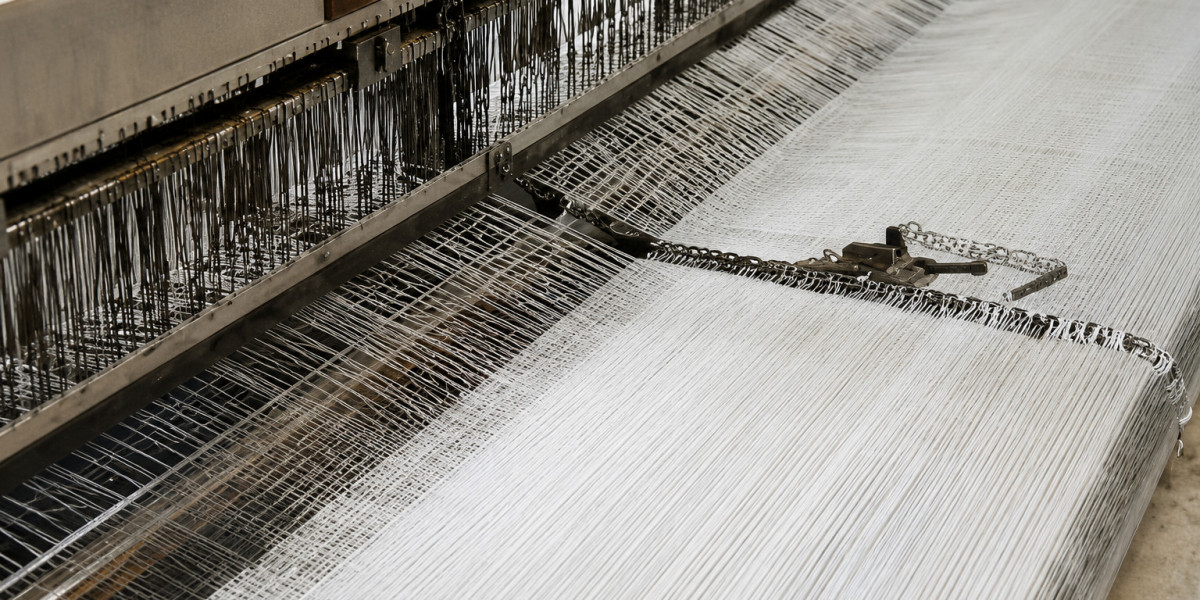
Fiberglass manufacturing begins with carefully selected raw materials that are mixed according to the required glass formulation. The mixture is heated until it becomes molten glass, after which the molten material passes through specialized openings that form very fine glass filaments. These filaments can be collected into strands or processed into different forms such as woven fabrics, mats, or chopped fibers. A sizing or surface treatment is commonly applied to help protect the fibers and improve their compatibility with other materials. When fiberglass is intended for composite products, the fibers are typically combined with a resin matrix that holds the fibers together and transfers loads between them.
What Is Fiberglass Resin?
Fiberglass resin is the binding material used to create many fiberglass composite products. The resin surrounds the glass fibers and holds them in place, allowing the finished composite to function as a unified structure. Common resin systems used with fiberglass include polyester, vinyl ester, and epoxy resins. Each type offers different characteristics related to strength, chemical resistance, durability, flexibility, curing behavior, and cost. The choice of resin depends on the requirements of the final product and the environment in which it will be used.
Glass Fibers and Resin Work Together
The strength of a fiberglass composite comes from the interaction between the glass fibers and the resin matrix. The glass fibers provide much of the structural strength and stiffness, while the resin supports and protects the fibers and helps distribute forces throughout the material. This combination creates a composite that can be considerably stronger and more useful than either component would be on its own for many applications. The orientation and amount of glass fibers can also influence the performance of the finished product, allowing manufacturers to design fiberglass components for specific mechanical requirements.
Different Types of Fiberglass
There are several types of fiberglass, and their compositions and characteristics can vary depending on their intended use. Common categories include general-purpose glass fibers, electrical-grade glass fibers, chemical-resistant glass fibers, and high-performance glass formulations. Different types may contain varying proportions of mineral ingredients to achieve particular properties. For example, some formulations are designed to provide better resistance to chemicals, while others are optimized for electrical insulation, structural strength, or high-temperature performance.
Fiberglass for Insulation
Fiberglass insulation is one of the most familiar applications of glass fibers. In this application, extremely fine glass fibers are arranged into a soft, fibrous material that traps air and slows the transfer of heat. Fiberglass insulation can be manufactured in rolls, batts, or other forms designed for walls, ceilings, attics, and building systems. Its effectiveness comes from the structure of the fibers and the air spaces between them. Properly installed fiberglass insulation can contribute to energy efficiency and indoor comfort.
Fiberglass in Construction
Fiberglass is widely used in construction because it combines strength, relatively low weight, durability, and resistance to corrosion. Fiberglass-reinforced products can be used in panels, roofing components, pipes, tanks, reinforcement systems, doors, and other building materials. Unlike conventional steel components, fiberglass composites do not rust, which makes them useful in environments exposed to moisture and certain chemicals. Their versatility also allows manufacturers to create components with different shapes, surface finishes, and structural characteristics.
Fiberglass in Automotive Applications
The automotive industry uses fiberglass composites for various body components, panels, structural parts, and specialty applications. Fiberglass can help reduce weight while maintaining useful strength and rigidity. Lower vehicle weight can contribute to efficiency and performance, which makes lightweight composite materials attractive for certain automotive designs. Fiberglass components can also be molded into complex shapes, allowing manufacturers to create specialized designs that may be difficult to produce using some traditional materials.
Fiberglass in Boats and Marine Products
Fiberglass is particularly popular in marine applications because it can resist corrosion and perform well in wet environments. Many boat hulls and marine components are manufactured using fiberglass-reinforced composites. The glass fibers provide structural reinforcement while the resin forms a protective matrix around them. Properly designed fiberglass marine products can provide a combination of durability, relatively low weight, and resistance to moisture. Regular care and appropriate maintenance can help extend the useful life of fiberglass products exposed to marine conditions.
Why Is Fiberglass So Strong?
Fiberglass is strong because its extremely fine glass fibers can carry significant loads when properly incorporated into a composite structure. Individual fibers have useful tensile strength, and arranging many fibers within a resin matrix allows forces to be distributed across the material. The direction of the fibers is also important because fiberglass can be engineered to provide greater strength in specific directions. This design flexibility is one reason fiberglass composites are used for structural and industrial applications where strength-to-weight performance matters.
Is Fiberglass Lightweight?
Fiberglass is generally considered a lightweight material compared with many traditional structural materials that provide similar functional performance. The glass fibers themselves are relatively light, and composite structures can be designed with material placed where it provides the most useful reinforcement. This combination of low weight and strength makes fiberglass attractive for transportation, construction, marine products, sports equipment, and other applications where reducing weight can be beneficial.
Is Fiberglass Waterproof?
Fiberglass itself is not simply a waterproof material in every form, but fiberglass-reinforced composites can provide excellent resistance to water when properly manufactured and protected. The resin matrix surrounds the fibers and can create a barrier against moisture. However, water resistance depends on the type of resin, manufacturing quality, surface condition, joints, coatings, and the environment. Properly designed fiberglass products can perform well in wet conditions, which is why they are commonly used in marine, plumbing, construction, and outdoor applications.
Advantages of Fiberglass
Fiberglass offers several advantages that make it useful across different industries. It provides a favorable combination of strength, low weight, corrosion resistance, electrical insulation, design flexibility, and durability. It can also be manufactured in different forms, including fabrics, mats, strands, insulation, and molded composites. Depending on the resin system and glass formulation, fiberglass products can also provide useful resistance to chemicals, moisture, heat, and environmental exposure. These characteristics make fiberglass a versatile alternative to some conventional materials.
Limitations of Fiberglass
Despite its many advantages, fiberglass also has limitations. The material can be brittle compared with some metals and may crack or become damaged under certain types of impact. The performance of a fiberglass composite depends heavily on the quality of the fibers, resin, manufacturing process, and design. Repairs can sometimes require specialized techniques, particularly when structural components are damaged. Fine fiberglass particles and fibers can also irritate the skin, eyes, or respiratory system during cutting, sanding, or handling, so appropriate protective measures are important when working with fiberglass materials.
Is Fiberglass the Same as Glass?
Fiberglass and ordinary glass share similar basic glass-forming ingredients, but they are manufactured and used differently. Ordinary glass is generally produced as a solid, relatively thick material, while fiberglass is drawn into extremely fine filaments. These fine fibers can be woven, chopped, layered, or combined with resin to create specialized products. The fiber structure gives fiberglass different mechanical properties and makes it suitable for reinforcement, insulation, and composite manufacturing.
Can Fiberglass Be Recycled?
Fiberglass recycling can be challenging because many fiberglass products combine glass fibers with resin and other materials. Recycling methods depend on the specific product and composite structure. Some processes can recover or reuse fiberglass materials, while other approaches focus on processing composite waste into secondary materials. Researchers and manufacturers continue to explore improved recycling methods because increasing the recovery and reuse of composite materials can reduce waste and improve resource efficiency.
How Long Does Fiberglass Last?
The service life of fiberglass depends on its formulation, manufacturing quality, application, environmental exposure, maintenance, and physical stresses. Properly designed fiberglass products can remain functional for many years when they are used within their intended conditions. Exposure to ultraviolet radiation, chemicals, moisture, heat, impact, and repeated mechanical loads can influence long-term performance. Regular inspection and maintenance can help identify damage and extend the useful life of fiberglass components.
Common Uses of Fiberglass
Fiberglass is used in a wide range of products and industries. Common applications include building insulation, boat hulls, automotive components, pipes, storage tanks, roofing products, electrical components, sporting equipment, industrial structures, and reinforced plastic products. Its combination of strength, low weight, corrosion resistance, and versatility makes it useful in situations where conventional materials may not provide the desired balance of performance and durability.
Frequently Asked Questions About What Is Fiberglass Made Out Of
What is fiberglass mainly made out of?
Fiberglass is mainly made from silica-rich materials that are melted and drawn into extremely fine glass fibers. Other mineral ingredients can be added to modify the glass properties and make the fiberglass suitable for different applications.
Is fiberglass made from sand?
Yes, silica-rich sand can be an important raw material for producing the glass used in fiberglass. However, commercial fiberglass generally contains additional mineral ingredients that help provide the required physical, chemical, and processing characteristics.
Is fiberglass made from plastic?
Fiberglass fibers themselves are made from glass rather than plastic. However, many fiberglass composite products combine glass fibers with a plastic resin such as polyester, vinyl ester, or epoxy, creating a reinforced composite material.
What makes fiberglass strong?
The fine glass fibers provide much of the strength and stiffness in a fiberglass composite, while the resin matrix holds the fibers together and transfers forces between them. Fiber direction, fiber content, resin type, and manufacturing quality all influence the final strength.
Is fiberglass stronger than regular glass?
Fiberglass can be much more useful for structural reinforcement than ordinary solid glass because its fine fibers are arranged to carry loads efficiently. However, strength depends on the specific fiberglass product and its design, so it is not accurate to say that every fiberglass product is stronger than every type of glass.
Why is fiberglass used for insulation?
Fiberglass insulation contains many fine fibers and air spaces that reduce heat transfer. This structure allows fiberglass insulation to help regulate indoor temperatures and improve the energy efficiency of buildings.
Can fiberglass get wet?
Many fiberglass composite products can tolerate exposure to water, particularly when the resin system and surface are properly designed. However, prolonged moisture exposure, damaged surfaces, poor joints, or unsuitable materials can still create problems, so the specific product and application should be considered.
Is fiberglass safe to handle?
Finished fiberglass products can generally be handled safely when used as intended. However, cutting, drilling, sanding, or disturbing fiberglass can release fine fibers or particles that may irritate the skin, eyes, or respiratory system. Appropriate protective equipment and safe handling practices are recommended when working with exposed fibers.
Conclusion
Understanding what is fiberglass made out of helps explain why this versatile material is used in so many industries. Fiberglass begins with silica-rich glass-forming materials that are combined with other mineral ingredients, melted, and drawn into extremely fine fibers. These fibers can be processed into fabrics, mats, strands, insulation, or combined with resin to create strong composite products. Its useful combination of strength, low weight, durability, corrosion resistance, and design flexibility makes fiberglass valuable in construction, transportation, marine applications, insulation, industrial products, and many other fields. By understanding its composition and manufacturing process, it becomes easier to appreciate why fiberglass remains such an important modern material.