
Sodium carbonate, commonly known as washing soda or soda ash, is a widely used chemical compound found in many household, industrial, and commercial products. It plays an important role in cleaning products, water treatment systems, glass manufacturing, and various industrial processes. Because of its widespread use, many people wonder whether sodium carbonate is safe for humans, pets, and the environment. Understanding its properties, potential risks, and proper handling methods can help users make informed decisions. While sodium carbonate is generally considered safe when used correctly, misuse or excessive exposure may cause irritation and other health concerns. This article explores the safety of sodium carbonate, its applications, benefits, risks, and best practices for safe use.
What Is Sodium Carbonate?
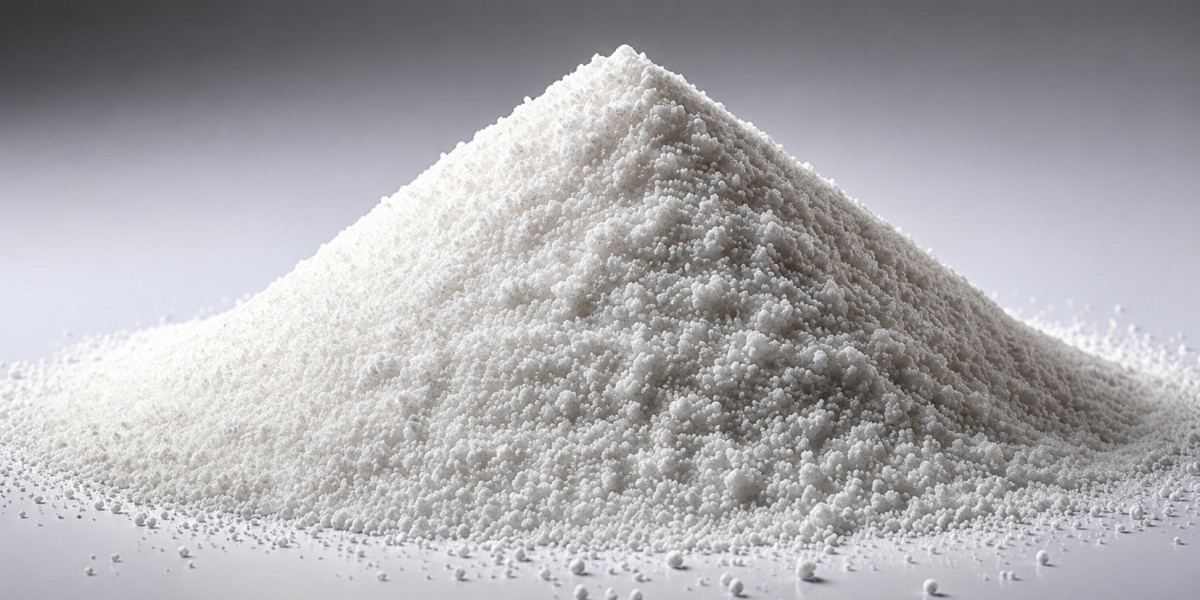
Sodium carbonate is an inorganic chemical compound with the formula Na₂CO₃. It appears as a white, odorless powder or granular substance that dissolves easily in water. The compound is naturally found in mineral deposits and can also be manufactured through industrial processes. Sodium carbonate is alkaline, meaning it has a high pH level that makes it effective for cleaning and neutralizing acidic substances. Because of its strong cleaning and water-softening properties, it has become an essential ingredient in detergents, cleaning products, and industrial manufacturing. Its versatility has made it one of the most commonly used chemical compounds worldwide.
Common Uses of Sodium Carbonate
Sodium carbonate is used in many industries and households because of its effectiveness and affordability. It is commonly added to laundry detergents to soften water and improve cleaning performance. In the glass manufacturing industry, sodium carbonate helps reduce the melting temperature of silica, making glass production more efficient. It is also used in water treatment facilities to adjust pH levels and remove impurities. In addition, sodium carbonate serves as an ingredient in some food processing applications, although food-grade versions differ from industrial forms. These diverse applications demonstrate why sodium carbonate remains an important chemical in modern life.
Is Sodium Carbonate Safe for Humans?
Sodium carbonate is generally considered safe for humans when used according to recommended guidelines. In normal household applications, exposure levels are usually low and unlikely to cause serious harm. However, because sodium carbonate is alkaline, direct contact with large amounts may irritate the skin, eyes, nose, or throat. Most safety concerns arise when the substance is mishandled, inhaled in powder form, or consumed accidentally. Following product instructions and using proper protective equipment when handling large quantities can significantly reduce the risk of adverse effects. For most users, sodium carbonate can be safely used without major health concerns.
Skin Contact and Irritation Risks
One of the most common concerns associated with sodium carbonate is skin irritation. Direct contact with concentrated sodium carbonate solutions or powders may cause redness, dryness, itching, or mild discomfort. Individuals with sensitive skin may experience stronger reactions than others. Prolonged exposure can increase irritation because the alkaline nature of the compound may disrupt the skin’s natural protective barrier. Wearing gloves while handling large amounts of sodium carbonate can help prevent irritation and maintain skin health. Washing exposed skin thoroughly with water is usually sufficient if accidental contact occurs.
Eye Exposure and Safety Concerns
Eye exposure to sodium carbonate can cause more serious irritation than skin contact. If powder or concentrated solutions enter the eyes, symptoms may include redness, watering, burning sensations, and discomfort. Immediate rinsing with clean water is essential to minimize irritation and prevent complications. In industrial settings where sodium carbonate is handled in large quantities, protective eyewear is strongly recommended. Most cases of accidental exposure can be managed effectively with prompt first aid, but medical attention may be necessary if symptoms persist. Proper handling and storage practices greatly reduce the risk of eye injuries.
Can Sodium Carbonate Be Inhaled Safely?
Inhalation of sodium carbonate dust can irritate the respiratory system, particularly when large amounts become airborne. Symptoms may include coughing, throat irritation, sneezing, or temporary breathing discomfort. While occasional exposure to small amounts is unlikely to cause serious health problems, repeated inhalation in industrial environments may require additional precautions. Adequate ventilation, dust control measures, and respiratory protection can help reduce exposure risks. People with asthma or other respiratory conditions should be especially cautious when working with powdered sodium carbonate products.
What Happens If Sodium Carbonate Is Swallowed?
Accidental ingestion of small amounts of sodium carbonate may cause mild digestive discomfort, including nausea, stomach irritation, or vomiting. Consuming larger quantities can result in more severe symptoms due to the compound’s alkaline properties. It is important to keep sodium carbonate products out of reach of children and clearly labeled to prevent accidental ingestion. If someone swallows a significant amount, medical advice should be sought promptly. Drinking water may help dilute the substance, but professional guidance is recommended for serious exposures.
Is Sodium Carbonate Safe for Household Cleaning?
Sodium carbonate is widely used in household cleaning products because it effectively removes grease, dirt, and stains. It helps soften water, allowing detergents to work more efficiently. When used as directed, sodium carbonate is considered safe for routine cleaning tasks. Users should avoid mixing it with incompatible chemicals and should follow manufacturer instructions carefully. Wearing gloves can provide additional protection during extensive cleaning projects. Overall, sodium carbonate remains a trusted ingredient in many cleaning formulations because of its effectiveness and relatively low toxicity.
Environmental Impact of Sodium Carbonate
Sodium carbonate is generally regarded as having a relatively low environmental impact compared to many harsher chemical substances. It occurs naturally in the environment and does not tend to accumulate significantly in living organisms. When released in moderate amounts, it typically breaks down into naturally occurring components. However, large concentrations can temporarily alter the pH of water bodies, potentially affecting aquatic life. Responsible disposal practices help minimize environmental concerns. Proper management ensures that sodium carbonate remains an environmentally acceptable option for many applications.
Is Sodium Carbonate Safe for Pets?
Pets may experience irritation if they come into direct contact with concentrated sodium carbonate products. Ingestion can cause digestive upset, while contact with eyes or skin may lead to discomfort. Pet owners should store cleaning products and chemical containers securely to prevent accidental exposure. After cleaning with sodium carbonate-based products, surfaces should be rinsed if recommended by the manufacturer. Taking these precautions helps ensure that pets remain safe while sodium carbonate products are used in the home.
Safe Handling and Storage Practices
Proper handling and storage are important for maintaining safety when using sodium carbonate. The compound should be stored in a cool, dry location away from moisture and incompatible substances. Containers should remain tightly sealed to prevent contamination and reduce dust formation. When handling large quantities, users should wear gloves, eye protection, and appropriate clothing. Good ventilation can help minimize inhalation risks. Following these simple precautions can significantly reduce the likelihood of accidents and ensure safe use in both residential and industrial settings.
Comparing Sodium Carbonate to Other Cleaning Chemicals
Compared to many stronger cleaning chemicals, sodium carbonate is often considered a safer alternative. It is less corrosive than some industrial acids and less hazardous than certain solvent-based cleaners. While it still requires responsible handling, its overall safety profile makes it a popular choice for many cleaning applications. Consumers often prefer products containing sodium carbonate because they offer effective cleaning performance without some of the more severe risks associated with harsher chemicals. This balance between effectiveness and safety contributes to its widespread popularity.
Benefits of Using Sodium Carbonate
Sodium carbonate offers numerous benefits that explain its extensive use across multiple industries. It is highly effective at removing stains, softening water, and improving detergent performance. The compound is affordable, widely available, and versatile enough for many different applications. Its relatively low environmental impact and established safety profile further enhance its appeal. When used responsibly, sodium carbonate provides reliable results while maintaining a reasonable level of safety for users and the environment.
Conclusion
Sodium carbonate is generally safe when handled and used according to recommended guidelines. It serves a valuable role in household cleaning, water treatment, manufacturing, and many other applications. Although exposure to large amounts may cause irritation to the skin, eyes, or respiratory system, these risks can be minimized through proper handling and protective measures. Understanding how to use and store sodium carbonate safely allows individuals and businesses to benefit from its effectiveness while reducing potential hazards. By following basic safety precautions, users can confidently utilize sodium carbonate in a wide range of everyday and industrial applications.